Pet Insurance for Older Cats
Cats are considered senior at 11, and that is when kidney disease, hyperthyroidism, and other costly conditions become far more likely. Coverage for older cats does exist, but age limits, pre-existing rules, and rising premiums make it important to choose carefully and enroll at the right time.
Senior Age
11 years
when most cats qualify
Avg. Cost
$62/mo
for senior cats
Kidney Disease Risk
40% of cats over 10
Source: Cornell Feline Health Center
Why Pet Insurance Matters More for Senior Cats
Cats hide illness well, so the conditions that define old age often arrive quietly and then cost a lot to manage. The Cornell Feline Health Center reports that chronic kidney disease affects up to 40% of cats over 10 and 80% of cats over 15. Hyperthyroidism, diabetes, dental disease, and heart disease all climb in the senior years too.
This is where the math on insurance shifts. For a young cat you might pay $15 a month and rarely file a claim. For a senior cat, premiums average around $62 a month, but a single lymphoma diagnosis averages $4,269 and late-stage kidney disease can run $4,000 to $10,000 or more per year. One major condition and the coverage pays for itself many times over.
"The question is not whether your senior cat will face a health issue. It is whether you can cover the bill when they do."
The catch is the pre-existing condition rule. Any problem your cat showed signs of before enrollment will be excluded, and chronic feline conditions like kidney disease and hyperthyroidism are usually excluded for good once diagnosed. That is standard across the industry, not a loophole, which is why the best time to enroll is while your cat is still young and the medical record is clean.
For cats already in their senior years, insurance still helps with new conditions that arise after enrollment. You will face higher premiums and more exclusions, but for a cat with a clean history, coverage can be the difference between treating a problem and rationing care.
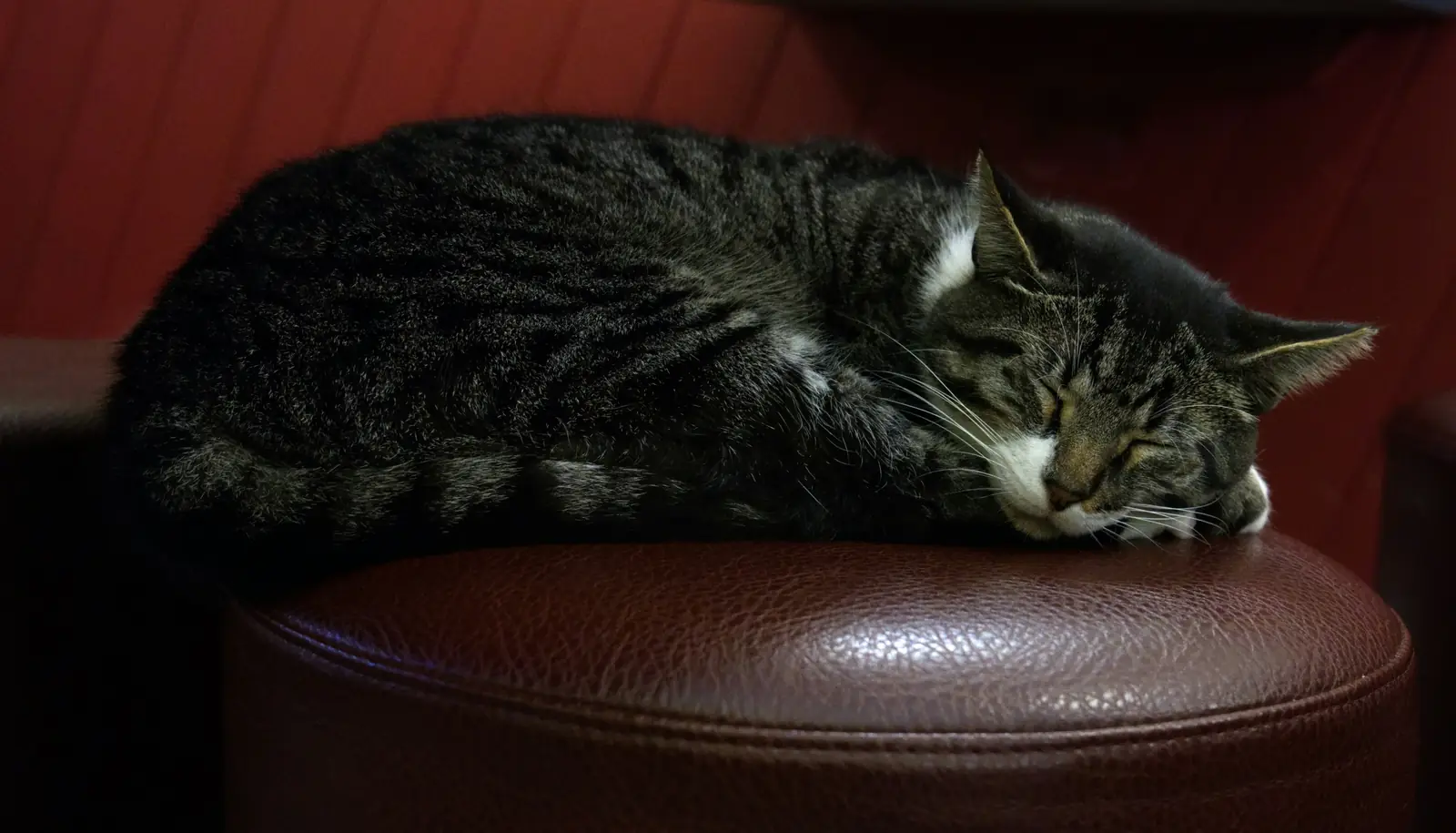
Indoor cats average 15 to 17 years, so senior care can span half a cats life
How Senior Cat Insurance Costs Climb with Age
Estimates for comprehensive coverage, $5,000 annual limit, 80% reimbursement, $500 deductible
| Cat Age | Monthly (est.) | Life Stage | Notes |
|---|---|---|---|
| 1 year | $15/mo | Adult | Baseline pricing for a young, healthy cat |
| 7 years | $22/mo | Mature | Premiums start to rise |
| 11 years | $45/mo | Senior | Cats are considered senior at 11 (AAFP) |
| 13 years | $62/mo | Senior | National average for a senior cat (MoneyGeek) |
| 15 years | $80/mo | Geriatric | Very few providers accept new geriatric cats |
Prices are estimates based on national averages and vary by breed, location, deductible, and provider. MoneyGeek puts the average senior cat policy near $62 a month; insuring a 10-year-old cat can cost roughly five times what you would pay for a one-year-old.
Premiums Rise with Age
A senior cat costs several times more to insure than a kitten because the odds of a claim rise sharply after age 10.
Still Cheaper Than Dogs
Cat policies cost less than dog policies at every age, so even a senior cat is often affordable to insure.
Fewer Options After 14
Many providers stop accepting new cats at 14. Healthy Paws and Odie are notable for having no upper age limit.
Common Senior Cat Health Issues and What They Cost
These are the conditions that send senior cats to the vet most often. Knowing what each costs to treat helps you decide how much coverage you actually need.
Chronic Kidney Disease
$1,200 to $10,000+/yrCovered under comprehensive
Affects 40% of cats over 10 and 80% over 15 (Cornell)
Hyperthyroidism
$1,580 to $2,200Covered under illness
Radioactive iodine (I-131) cures about 95% in one treatment
Dental Disease
$300 to $1,500+Varies by policy
Cleanings with extractions run toward the higher end
Diabetes
$30 to $150/mo insulinCovered with ongoing treatment
Requires lifelong insulin and monitoring
Heart Disease (HCM)
$300 to $600 + medsCovered under illness
The most common feline heart disease (Cornell)
Arthritis
$75 to $115/moCovered under illness
Monthly Solensia injection; common in cats over 6
Cancer / Lymphoma
$4,269+Covered under comprehensive
Average treatment cost (Synchrony CareCredit, 2025)
Hypertension
Low-cost (amlodipine)Covered under illness
Often linked to kidney disease or hyperthyroidism (Cornell)
Kidney disease is the one to watch. The Cornell Feline Health Center reports it affects up to 40% of cats over 10 and 80% over 15, with age the only known risk factor. Managing it ranges from about $1,200 to $2,500 a year in the early stages to $4,000 to $10,000 or more in late stages, which is why comprehensive coverage matters so much for older cats.

Is Pet Insurance Worth It for a Senior Cat?
For a healthy senior cat with no diagnosed conditions, the answer is usually yes. At roughly $62 a month, a year of premiums runs about $746, while a single major event, such as lymphoma at $4,269 or late-stage kidney disease above $4,000 a year, far exceeds that. Coverage turns an unpredictable five-figure risk into a predictable monthly bill.
Your cat is healthy now, you could not easily absorb a $5,000 vet bill, and you want access to treatment rather than having to choose based on cost.
Your cat already has chronic conditions that would be excluded as pre-existing, or you have a dedicated savings fund that could cover a major emergency outright.
A practical rule of thumb: if your cat is still healthy, enroll now and lock in coverage before a condition appears. If your cat is already managing a chronic illness, compare what insurance would actually pay against the conditions it will exclude before deciding.
Best Pet Insurance Providers for Senior Cats
We evaluated providers on senior cat coverage, enrollment age limits, premium pricing, and reimbursement terms.
No upper limit
No upper limit
14 years
14 years
14 years
Healthy Paws and Odie stand out for owners of older cats because they have no upper age limit for enrollment. If your cat is 11, 14, or even older, they can still get coverage. The tradeoff, as with every provider, is that pre-existing conditions are not covered.
Embrace, Lemonade, and Trupanion enroll cats up to 14 and are worth comparing if your cat is not yet a senior. Get quotes from at least three providers, and confirm the current age rules directly with each insurer before applying.
Get an Odie quote for your senior catGet Pet Insurance Quotes for Your Senior Cat
Enter your cats details and compare quotes from providers that cover older cats.
Advertising Disclosure: We may earn a commission when you click links in this section and purchase a policy. This comes at no additional cost to you and supports our editorial process. Learn more about how we earn money.
Get a pet insurance quote
Odie quotes take about two minutes, and accident and illness plans start around $25 a month. Prefer to weigh your options first? See how the top providers stack up side by side.
What Pet Insurance Covers for Senior Cats
Accident-Only Plans
Covers injuries such as falls, broken bones, and swallowing foreign objects. Does not cover illness, cancer, or chronic conditions, so it skips the kidney disease and hyperthyroidism that senior cats face most.
Comprehensive Plans
Adds illness coverage: kidney disease, hyperthyroidism, diabetes, cancer, heart disease, and dental illness. This is what most owners of senior cats want, since chronic illness is the biggest financial risk.
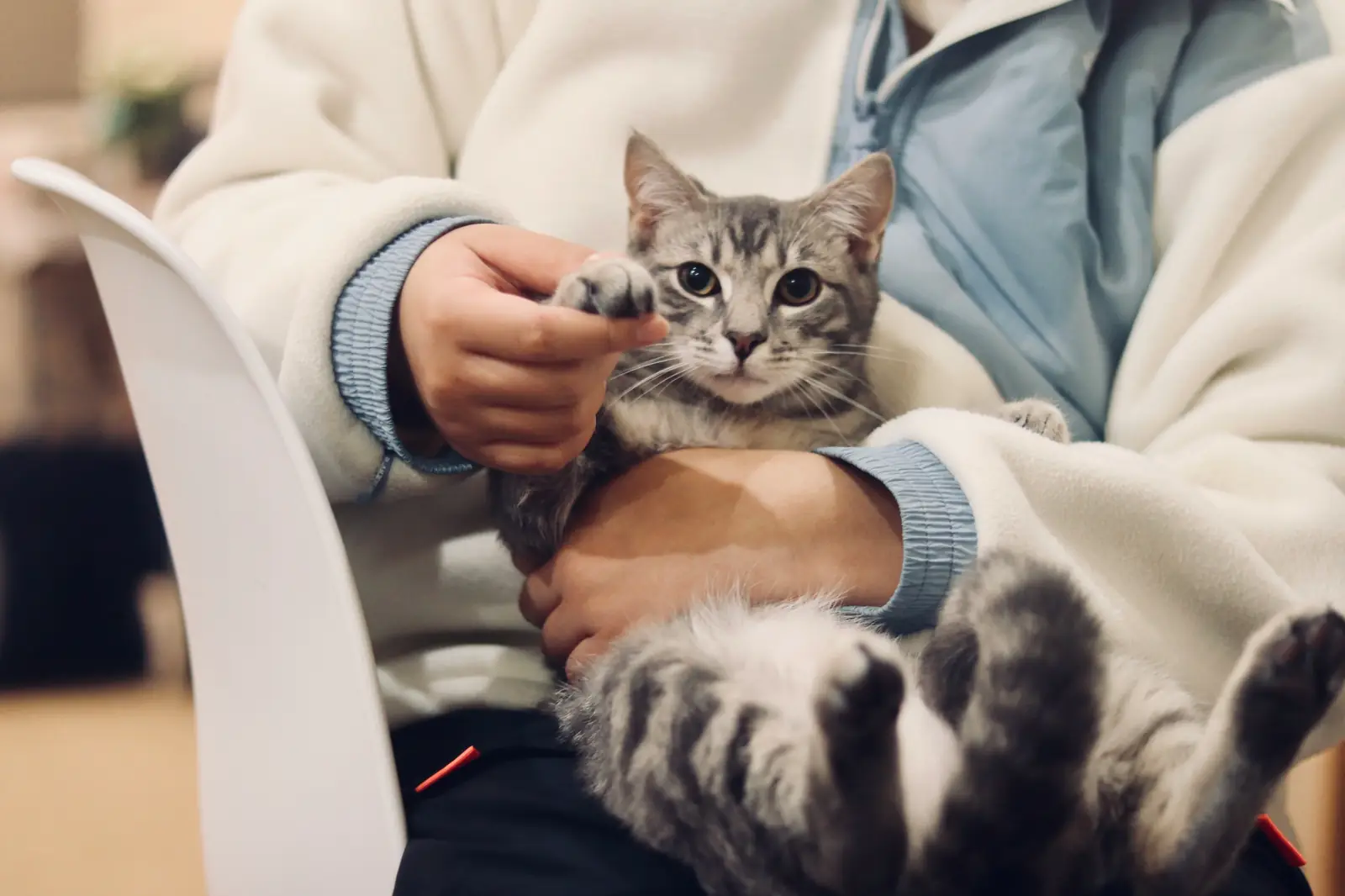
Twice-yearly checkups matter
Senior cats benefit from exams every 6 months
Early detection of kidney or thyroid disease leads to better outcomes and lower costs
Key Coverage Details for Senior Cats
How do waiting periods work for older cats?
Standard waiting periods are about 0 to 3 days for accidents and around 14 days for illnesses, regardless of age. Some providers apply longer waits for specific conditions. If you switch insurers, the new provider may not credit time already served, which can reset waiting periods.
What counts as a pre-existing condition?
Any illness or injury your cat showed symptoms of, was diagnosed with, or was treated for before enrollment is typically excluded. For older cats, this often includes kidney disease, hyperthyroidism, and diabetes. Have your cats full medical records reviewed before enrolling.
Does pet insurance cover kidney disease in cats?
Yes, chronic kidney disease is covered as an illness under comprehensive plans, provided it was not diagnosed or showing symptoms before enrollment. Because it affects up to 40% of cats over 10, enrolling before any signs appear is what keeps it covered.
Is hyperthyroidism treatment covered for senior cats?
Hyperthyroidism is covered under comprehensive plans when it is not pre-existing. Radioactive iodine therapy, the most effective cure, runs about $1,580 to $2,200, and a comprehensive plan can reimburse a large share of that after your deductible.
Tips for Insuring Older Cats
- 1
Enroll while your cat is still healthy
The younger and healthier your cat when you enroll, the fewer conditions will be excluded as pre-existing later. This is the single most important step you can take.
- 2
Read the pre-existing condition clause carefully
Kidney disease, hyperthyroidism, and diabetes are commonly excluded once diagnosed. Have your cats full medical records reviewed before signing up.
- 3
Consider a higher deductible to lower premiums
If your cat is already older and relatively healthy, a $500 or $1,000 deductible can meaningfully reduce what you pay each month.
- 4
Look for providers with no upper age limit
Healthy Paws and Odie do not cap enrollment age. For an older cat, that matters far more than a few dollars difference in monthly premium.
- 5
Compare annual limits carefully
Senior cats often need more veterinary care. Late-stage kidney disease or cancer can exceed a $5,000 annual limit, so consider higher or unlimited limits.
Pet Insurance for Older Cats FAQs
Is pet insurance worth it for older cats?
At what age is a cat considered senior?
Which pet insurance providers have no age limit for cats?
How much does pet insurance cost for a senior cat?
Does pet insurance cover kidney disease or hyperthyroidism in cats?
What does pet insurance not cover for older cats?
Are waiting periods longer for senior cats?
Should I get accident-only or comprehensive coverage for my senior cat?
Related Pet Insurance Guides
Our Review Methodology
We compare pet insurance providers based on price transparency, coverage breadth, enrollment age limits, and reimbursement terms. Our recommendations are based on research and analysis, not payment. When a provider pays us a commission, it does not affect our rankings.
Health and cost data on this page is drawn from the Cornell Feline Health Center, the American Veterinary Medical Association, the 2021 AAHA/AAFP feline life-stage guidelines, and pricing research from MoneyGeek and Forbes Advisor. Prices are estimates that vary by breed, state, and plan.
Last updated: October 2026
Advertising Disclosure: CheckItAll.net is an independent comparison site. We may receive compensation when you click links or sign up with partners featured on our site. This compensation may affect how and where products appear on this site. Our opinions are our own. Read our full disclosure.