Pet Insurance in Alaska
Alaska pet owners pay about $38/month for dogs and $22/month for cats on average. The catch is not the price. It is the access. Many Alaska communities are hours from the nearest vet. Emergency medevac flights out of remote areas can cost $5,000 or more. Bear and moose encounters are not hypothetical. Frostbite happens in minutes at -20F. If your pet needs help in Alaska, the logistics are as complicated as the bills.
Avg. Cat Cost
$22
per month
Avg. Dog Cost
$38
per month
Remote Vet Access
Varies by location
Many communities hours from nearest vet
Why Pet Insurance Matters in Alaska
Alaska is one of the most beautiful places in the country to be a pet owner. The access to wilderness, the outdoor lifestyle, the space — dogs and cats in Alaska live well. But that same geography that makes Alaska special creates pet health challenges that most other states do not face to the same degree.
Remote vet access is the big one. Many Alaska communities are hours by road from the nearest veterinarian, and some are only accessible by plane or boat. The nearest specialist — if your dog needs a surgeon or your cat needs an oncologist — may be in Seattle. If your pet has an emergency in rural Alaska, you are looking at potentially $5,000 to $10,000 or more just for a medevac flight before you even get to treatment. Pet insurance cannot cover the flight, but it can cover the treatment — which means you can make the call based on what is best for your pet, not based on what you can afford.
Cold weather injuries happen fast here. At -20F — common across interior Alaska in winter — frostbite can set in within minutes on exposed skin, even on dogs with thick coats. A dog left outside too long can develop hypothermia quickly. The warming centers that exist for humans do not exist for pets. Treatment for severe cold weather injuries can run thousands of dollars, and if you are hours from the nearest vet, you need insurance more, not less.
"In Alaska, the question is not whether you can afford vet care. It is whether you can get to it in time."
Bear and moose encounters are a genuine risk across most of Alaska. Brown bears live in southcentral and interior Alaska. Black bears range across the entire state. Moose are common even in Anchorage neighborhoods. A dog that gets into a confrontation with either faces serious injury. Vet bills from a bear attack or moose encounter can run $3,000 to $10,000 or more. These are covered under standard accident plans.
Salmon poisoning is a risk for dogs who eat raw salmonid fish — found in many Alaska rivers and streams. It is treatable but costs $2,000 to $5,000. And Lyme disease, while not yet established in Alaska, is under active surveillance — tick-borne illnesses are a concern as climate changes expand tick ranges northward.
Alaska pet insurance premiums are close to the national average, which makes this a good time to lock in coverage before you need it — and before your pet develops a condition that ends up excluded from future coverage.

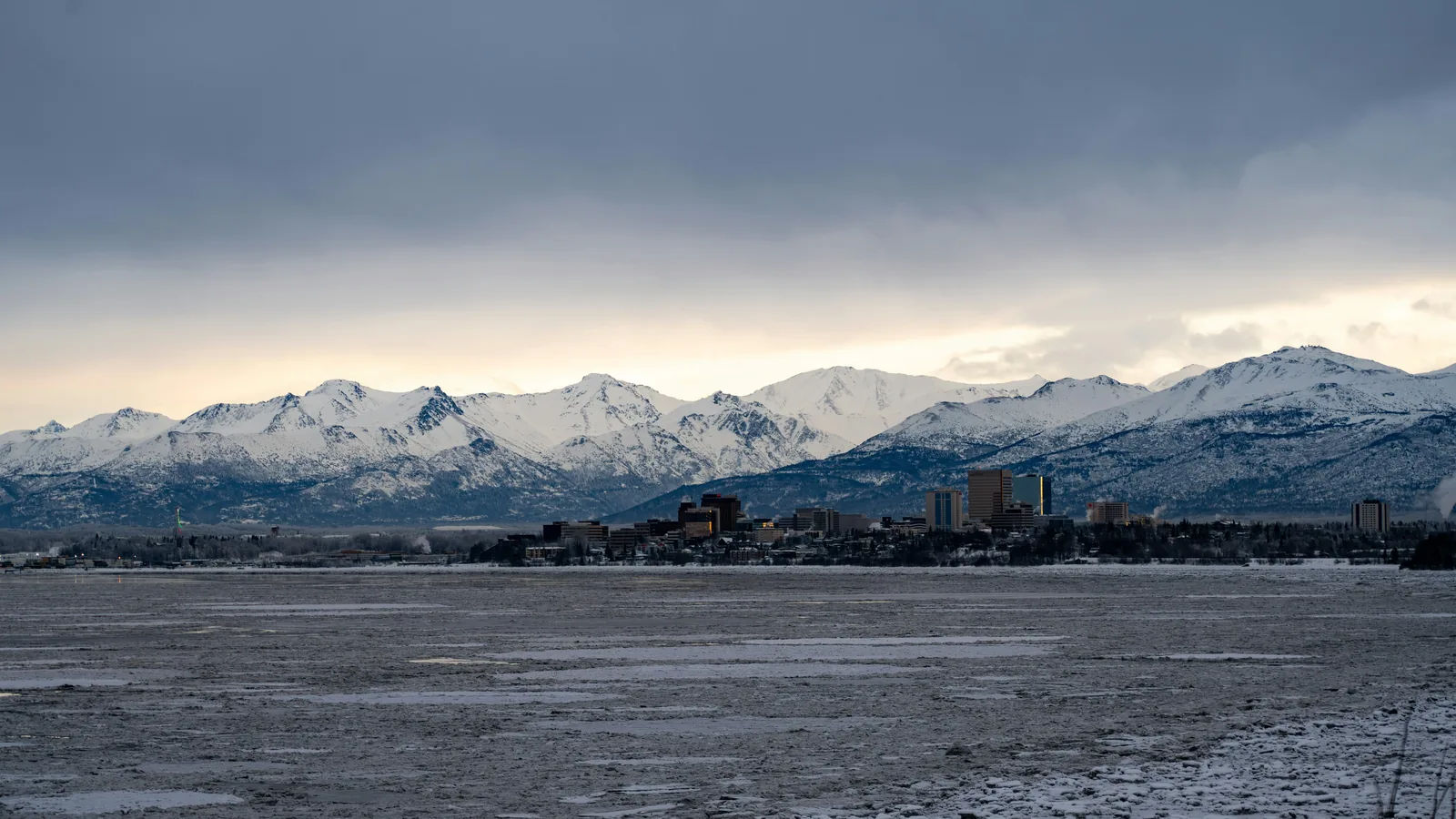
Alaska's wilderness brings unique challenges for pet owners
How Much Does Affordable Pet Insurance Cost in Alaska?
Prices based on $5,000 annual limit, 80% reimbursement, $500 deductible
Looking for cheap pet insurance Alaska? These five cities represent the range of the Alaska market. Anchorage is the largest city and has the most provider options. Fairbanks and Juneau have smaller but functional vet markets with prices close to the state average. Wasilla and Sitka are smaller markets with slightly lower prices due to more limited specialist access.
Anchorage
Pop. 290K
Dogs
$40
Annual
$480
Fairbanks
Pop. 30K
Dogs
$36
Annual
$432
Juneau
Pop. 30K
Dogs
$38
Annual
$456
Wasilla
Pop. 10K
Dogs
$35
Annual
$420
Sitka
Pop. 8K
Dogs
$37
Annual
$444
Pet Insurance Costs by Age
| Pet Age | Cat Monthly | Dog Monthly |
|---|---|---|
| 6 months | $16/mo | $30/mo |
| 5 years | $24/mo | $42/mo |
| 10 years | $46/mo | $82/mo |
Prices climb as pets get older. A 10-year-old dog often costs two to three times what a 6-month-old puppy does. This is why most vets suggest signing up when your pet is young, before pre-existing conditions pile up and exclusions become a problem. In Alaska, where cold weather injuries, wildlife encounters, and remote vet access are realistic possibilities, getting coverage early matters even more.
Alaska Cost Context
Alaska pet insurance runs close to the national average for dogs and slightly above average for cats. Anchorage tracks close to the state average as the largest metro with the most provider options. Rural areas have fewer specialist vets but prices generally track the statewide average. For pet owners searching for affordable pet insurance Alaska, the real cost comparison is not just the monthly premium — it is what happens when you need care hours from the nearest vet.
The same comprehensive plan that might cost $45 or more in some states might run you $35 to $42 in Alaska. That gap adds up over a year. But the bigger value in Alaska is the financial backstop when you are hours from care and potentially facing evacuation costs on top of treatment bills.
Alaska Hazards for Pets
No competitor covers this well. Alaska is geographically and climatologically distinct from every other state, and that creates hazards for pets that most pet insurance buyers do not think about until something happens. Here is what you need to know before you skip pet insurance.
Extreme Cold
At -20F — common across interior Alaska — frostbite can set in within minutes on exposed skin. Dogs left outside too long develop hypothermia quickly. Treatment for severe frostbite may involve amputation or extensive wound care. These are covered under standard accident plans. Limit outdoor time in extreme cold, wipe paws after walks to remove ice melt, and watch for signs of discomfort.
Bear Encounters
Brown bears live in southcentral and interior Alaska. Black bears range across the entire state including areas near Anchorage. A dog that gets into an encounter with a bear faces severe injury. Vet bills from a bear attack can run $3,000 to $10,000 or more. These are covered under standard accident plans. Keep dogs leashed on Alaska trails and make noise in bear country.
Moose Attacks
Moose are common even in Anchorage neighborhoods and are more dangerous than bears in many situations. A 500 to 1,000-pound moose that feels threatened will stomp, kick, and attack. Dogs are particularly at risk because they often approach wildlife out of curiosity. Moose-related injuries are covered under most standard accident plans. Keep dogs away from moose and give them plenty of space.
Remote Vet Access
Many Alaska communities are hours by road from the nearest vet, and some are only accessible by plane or boat. Emergency medevac flights can cost $5,000 to $10,000 or more. Pet insurance covers the treatment costs, even if transport is a separate expense. In remote Alaska, having pet insurance is less about saving money on routine care and more about having options in an emergency.
Salmon Poisoning
Salmon poisoning affects dogs who eat raw salmon, trout, or other salmonid fish that carry the parasite. It is found in Pacific Northwest waters including many Alaska rivers and streams. Treatment costs $2,000 to $5,000 or more. Keep your dog away from raw salmonid fish on Alaska camping trips and near salmon streams. If your dog eats raw fish, watch for symptoms and get to a vet immediately.
Winter Darkness
Northern Alaska experiences polar night — weeks with no sunrise. Even in Anchorage, winter days are short. Exercise and outdoor activity for pets becomes complicated when it is dark for 17+ hours. Some pets develop seasonal anxiety or need light therapy. While insurance does not cover lamps, accident and illness coverage still applies year-round. Plan indoor enrichment and adjust walking schedules for daylight hours.
Top Pet Insurance Providers in Alaska
| Provider | Rating | Monthly Cost | Deductible | Best For | Get a quote |
|---|---|---|---|---|---|
Healthy Paws | 4.8/5 | $30 - $80 | 100, 250, 500 | Comprehensive coverage | Get quote |
Lemonade | 4.5/5 | $20 - $60 | 100, 250, 500 | Budget-conscious pet owners | Get quote |
Odie | 4.4/5 | $25 - $45 | 250, 500, 1000 | Senior pets & wellness add-ons | Get quote |
Embrace | 4.3/5 | $25 - $70 | 200, 300, 500 | Customizable coverage | Get quote |
Trupanion | 4.2/5 | $35 - $90 | 250, 500, 750 | Maximum reimbursement | Get quote |
Advertising Disclosure: CheckItAll.net is an independent comparison site. We may receive compensation when you click links or sign up with partners featured on our site. This compensation may affect how and where products appear on this site. Our opinions are our own. Read our full disclosure.
Alaska-Specific Coverage Questions
How does remote vet access affect pet insurance decisions in Alaska?
Remote vet access is arguably the biggest factor in Alaska pet insurance decisions. Many communities are hours by roads from the nearest vet, and some areas are only accessible by plane or boat. If your pet has an emergency in rural Alaska, you are already looking at significant transport costs before you even get to treatment. Pet insurance does not cover transport directly, but it covers the treatment — which means you can afford to make the call to get your pet help without first doing math on whether you can afford the bill. In a place where that nearest vet might be in Seattle, that matters.
What about cold weather injuries for pets in Alaska?
Alaska winters are severe and cold weather injuries happen fast. At -20F — common across interior Alaska — frostbite can set in within minutes on exposed skin. Dogs left outside too long can develop hypothermia even with thick coats. Ice melt toxicity is a risk in areas where people use it on sidewalks and driveways. Treatment for severe cold weather injuries can run thousands of dollars. Pet insurance covers these under accident plans in most cases. The best approach is prevention: limit outdoor time in extreme cold, wipe paws after walks to remove ice melt, and watch for signs of discomfort in your pet.
Are bear and moose encounters a real concern for pets in Alaska?
Yes. Alaska has healthy populations of both brown bears and black bears statewide, and moose are common even in Anchorage neighborhoods. Moose are actually more dangerous than bears in many situations — a 1,000-pound moose that feels threatened will attack, stomp, and kick. Dogs are particularly at risk because they may approach wildlife out of curiosity. Bear and moose attacks on dogs are covered under standard accident plans. A dog mauled by a bear or stomped by a moose can face $3,000 to $10,000 or more in vet bills. If you live anywhere outside central Anchorage, this is not a remote risk.
What is salmon poisoning and should Alaska dog owners worry?
Salmon poisoning is a disease that affects dogs who eat raw salmon, trout, or other salmonid fish that carry the parasite. It is found in Pacific Northwest waters including many Alaska rivers and streams. Symptoms include vomiting, diarrhea, fever, and swollen lymph nodes, and it can be fatal without treatment. Treatment costs $2,000 to $5,000 or more. If your dog eats raw fish on an Alaska camping trip or near a salmon stream, watch for symptoms and get to a vet immediately. It is covered under most comprehensive illness plans. The simplest fix is to keep your dog away from raw salmonid fish.
Alaska-Specific Factors to Consider
- *Limited veterinary specialists in remote areas
- *Wildlife encounter coverage important (bears, moose)
- *Cold weather injury and hypothermia considerations
Pet Insurance Regulations in Alaska
Alaska does not have specific pet insurance regulations. The Division of Insurance within the Department of Commerce handles general insurance oversight.
Alaska does not have specific pet insurance regulations. The Division of Insurance within the Department of Commerce handles general insurance oversight. For Alaska pet owners, this means national providers operate freely in the state. The key consideration is not regulatory restrictions but practical access — many communities are hours from the nearest vet, and that practical reality matters more than regulatory details when you are deciding on coverage.
Frequently Asked Questions about Pet Insurance in Alaska
Is pet insurance worth it in Alaska given remote vet access?
For most Alaska pet owners, yes. The nearest specialist vet may be hundreds of miles away or even in Seattle. Many communities are hours from the nearest vet, and emergency medevac flights can cost $5,000 or more. Cold weather injuries happen fast — frostbite in minutes at -20F, hypothermia within minutes of exposure. Bear and moose encounters are real risks in most of the state. If that would stretch your budget, insurance makes sense.
How much is pet insurance in Alaska?
Cats average $22/month in Alaska. Dogs run about $38/month on average. That is close to the national average for dogs but cats run slightly higher than some states. Anchorage tracks close to the state average. Rural areas often have fewer provider options but prices generally track the statewide average.
Does pet insurance cover emergency vet flights in Alaska?
Standard pet insurance does not typically cover transport costs on its own. But if your pet needs emergency care that is not available locally, the treatment costs themselves are covered under comprehensive plans. Medevac flights out of remote Alaska can run $5,000 to $10,000 or more. Some travel insurance policies and specialty pet evacuation services cover transport. Check with your provider about what is included.
Are there vets that accept pet insurance in remote Alaska?
This depends on how remote. Anchorage has multiple vets who work with all major pet insurance providers. Fairbanks and Juneau have decent options. But many Alaska communities — particularly in the Yukon-Kuskokwim Delta, the North Slope, and other rural areas — may have a single vet clinic serving hundreds of miles. Most pet insurance plans reimburse you regardless of vet, so you can see any licensed vet and submit a claim.
What is the average pet insurance cost for dogs in Anchorage?
Anchorage dog owners typically pay $40/month depending on breed, age, and coverage level. Cats in Anchorage run $22 to $28/month. Anchorage is Alaskas largest city and has the most provider options. The cold weather, wildlife, and remote access concerns that apply statewide apply in Anchorage too.
Does pet insurance cover bear or moose attacks?
Yes, under standard accident coverage. Bear and moose attacks on pets are covered in most comprehensive plans. A dog that gets mauled by a moose or bitten by a bear faces emergency surgery, which can run $3,000 to $10,000 or more. In remote Alaska, getting to a vet who can treat these injuries quickly may require a flight. That is worth thinking about before you skip coverage.
Does pet insurance cover cold weather injuries in Alaska?
Yes. Frostbite, hypothermia, and other cold weather injuries are covered under accident plans in most cases. At -20F or colder, a dog left outside too long can develop frostbite in minutes and hypothermia soon after. Treatment for severe frostbite may involve amputation or extensive wound care. These are covered as accident or illness depending on the plan.
Can I use Alaska pet insurance in other states?
Yes. All major pet insurance plans work in other states. If you travel to Washington, Oregon, or the Lower 48 with your pet, your Alaska policy travels with you. This matters for Alaska pet owners who may travel south for vet specialists, emergency care, or routine treatment not available in-state. Your policy covers you wherever you go in the US.
Protecting Your Pet in Alaska
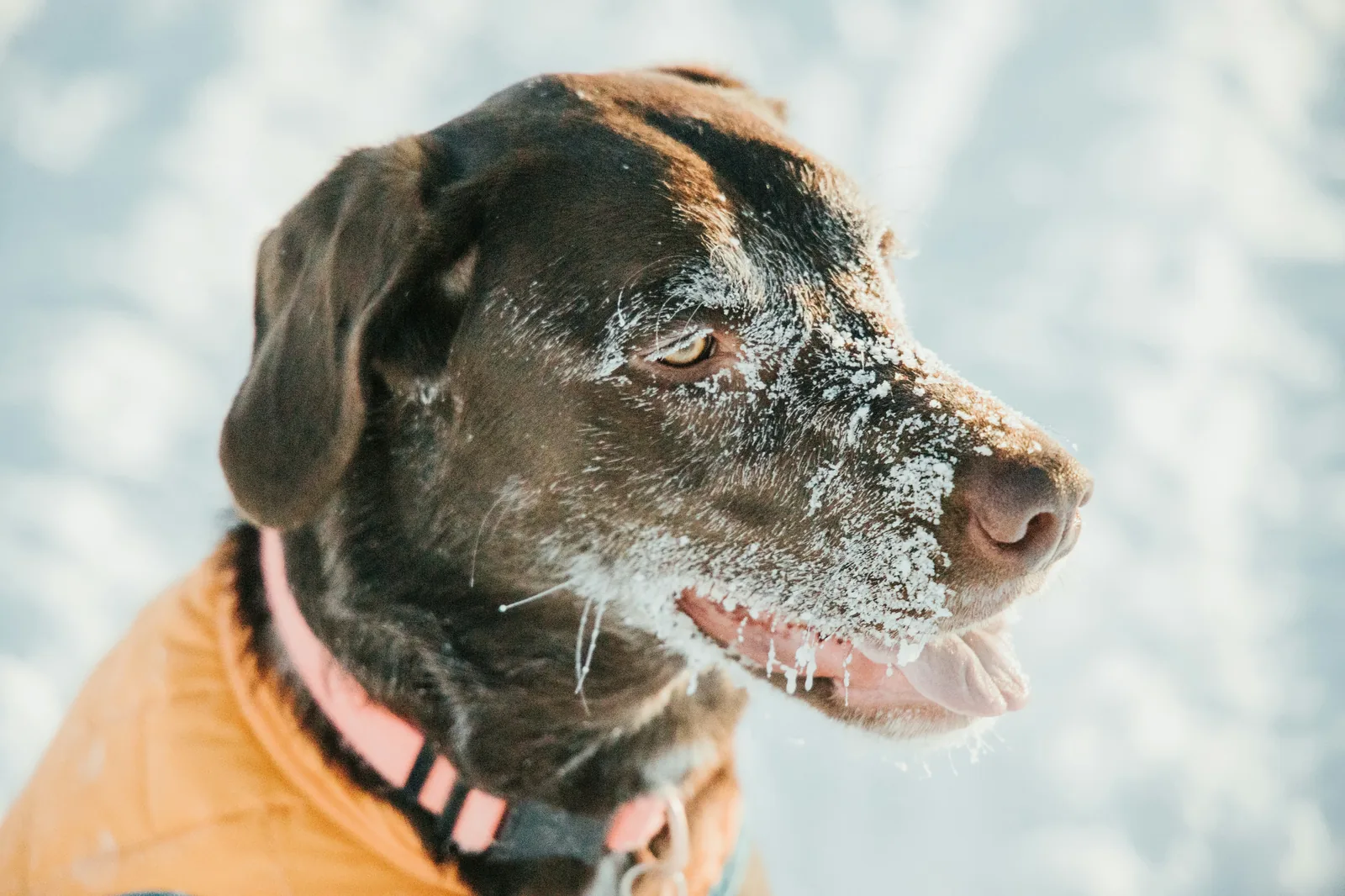
From extreme cold to wildlife encounters, Alaska pets face unique risks. Pet insurance gives you peace of mind.
Pet Insurance in Other States
Advertising Disclosure: CheckItAll.net is an independent comparison site. We may receive compensation when you click links or sign up with partners featured on our site. This compensation may affect how and where products appear on this site. Our opinions are our own. Read our full disclosure.