Pet Insurance in Vermont
Vermont pet owners pay about $40/month for dogs and $22/month for cats on average. Burlington and Rutland track that closely. The catch: Vermont's long winters run late November through March, Lyme disease rates here are among the highest in the country, and moose and black bear encounters are realistic risks on Green Mountain trails. If your pet gets caught in any of that, the bills add up fast.

Avg. Cat Cost
$22
per month
Avg. Dog Cost
$40
per month
Burlington Emergency Vet Hospitalization
$500-$1,500
Average hospitalization cost, surgery can reach $3,000+
Why Pet Insurance Matters in Vermont
Vermont is a beautiful place to be a pet owner. The Green Mountains offer endless hiking opportunities, the summers are pleasant, and pets are part of daily life across the state. But Vermont's climate and geography create some health risks that pet owners here face in ways that residents of other states simply do not.
Lyme disease is the big one. Vermont consistently ranks among the highest states in the country for Lyme disease rates, and the disease is transmitted by deer ticks that are active even in cooler months — not just during the summer. If your dog spends any time outdoors in Vermont, which is most dogs in this state, the risk of a tick bite is year-round. Treatment costs $1,500 to $3,000 or more depending on severity, and left untreated it can cause lasting joint and neurological damage. Comprehensive pet insurance that covers Lyme treatment means you can afford both prevention and the backup plan.
Vermont's winters are long and severe. From late November through March, cold weather injuries like frostbite, hypothermia, and ice-melt toxicity are real risks that vets in Burlington and Rutland see every winter. A dog that gets into a frozen pond or is left outside too long in sub-zero temperatures can develop serious health problems fast. And the ice-melt products used on Vermont's sidewalks and driveways can cause chemical burns to paw pads or toxic ingestion if a dog licks its feet after a walk.
"The question is not whether something will happen. It is whether you can cover the bill when it does."
Moose and black bears are a fact of life in Vermont's Green Mountains. Bulls can weigh over 1,000 pounds, and they are not shy about charging if a dog gets too close. Black bears are common throughout the state's forested areas and can be aggressive if they feel threatened or if a dog gets between a mother and her cubs. If you hike with your dog on Vermont trails or live in a rural area, these are not remote risks — they are things Vermont dog owners deal with every year.
Vermont pet insurance premiums run slightly above the national average, which reflects the higher cost of specialist vet care in a rural New England state. That makes this a good time to lock in coverage before costs rise or your pet develops a condition that ends up excluded from future coverage.

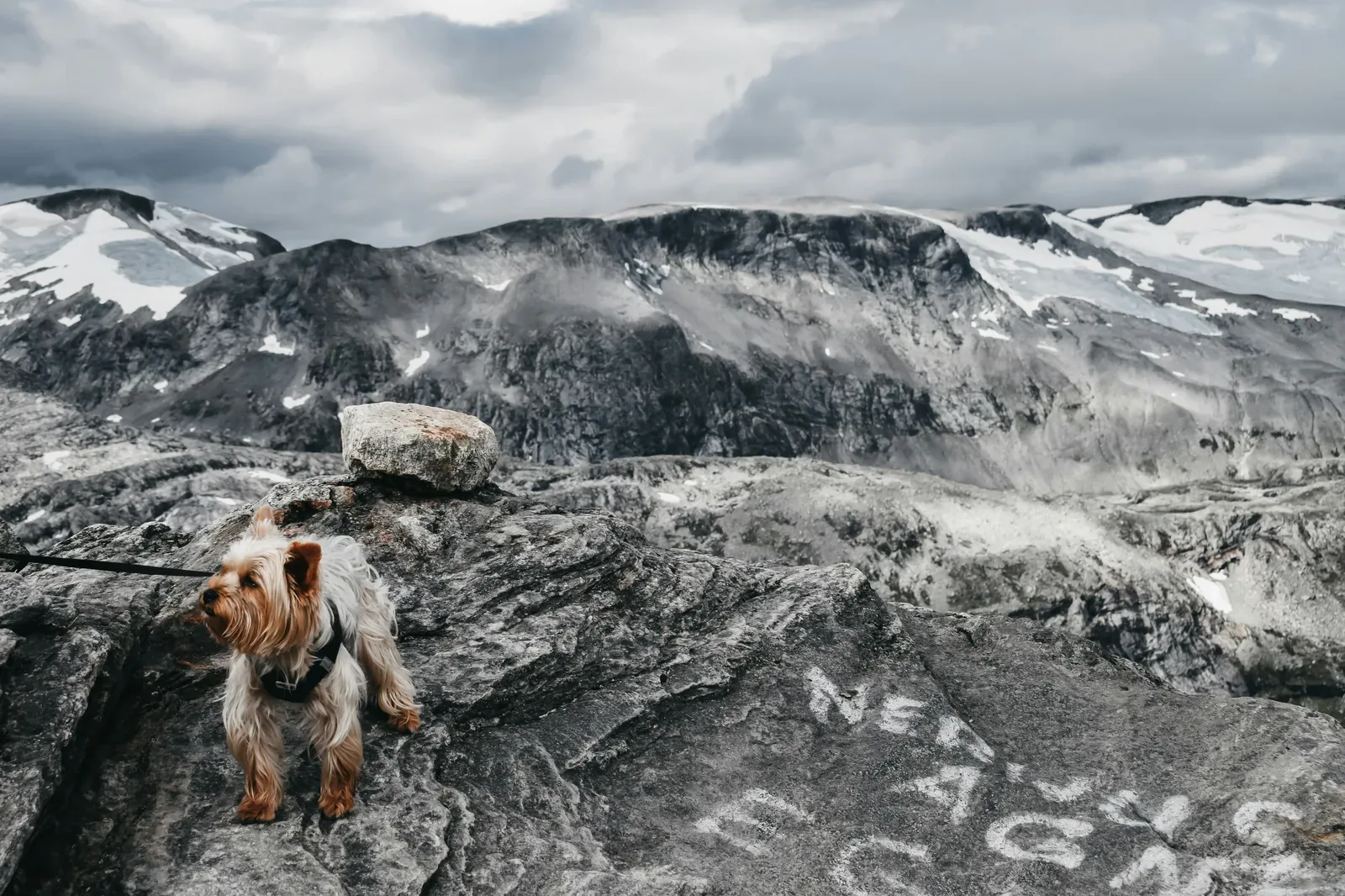
Vermont's changing seasons bring distinct pet health considerations throughout the year
How Much Does Affordable Pet Insurance Cost in Vermont?
Prices based on $5,000 annual limit, 80% reimbursement, $500 deductible
Looking for cheap pet insurance Vermont? These five cities represent the Vermont market. Burlington is the largest metro and offers the most provider options. Rutland has a smaller vet market but prices track close to the state average. Smaller towns in northern Vermont sometimes see slightly higher prices due to fewer provider options and longer drives to specialists.
Burlington
Pop. 44K
Dogs
$42
Annual
$504
Essex Junction
Pop. 23K
Dogs
$40
Annual
$480
Rutland
Pop. 16K
Dogs
$39
Annual
$468
South Burlington
Pop. 18K
Dogs
$41
Annual
$492
Barre
Pop. 9K
Dogs
$38
Annual
$456
Pet Insurance Costs by Age
| Pet Age | Cat Monthly | Dog Monthly |
|---|---|---|
| 6 months | $16/mo | $30/mo |
| 5 years | $26/mo | $46/mo |
| 10 years | $52/mo | $88/mo |
Prices climb as pets get older. A 10-year-old dog often costs two to three times what a 6-month-old puppy does. This is why most vets suggest signing up when your pet is young, before pre-existing conditions pile up and exclusions become a problem. In Vermont, where Lyme disease, cold weather injuries, and wildlife encounters are realistic possibilities, getting coverage early matters even more.
Vermont Cost Context
Vermont pet insurance runs slightly above the national average, which reflects the higher cost of doing business in a rural New England state. Burlington prices track close to the state average since it is the largest metro. Smaller towns in northern Vermont sometimes see slightly higher prices due to fewer provider options and longer drives to specialists. For pet owners searching for affordable pet insurance Vermont, the state is a relative bright spot compared to nearby states like Massachusetts or Connecticut, though still above the national average.
The same comprehensive plan that might cost $50 or more in Massachusetts might run you $38 to $46 in Vermont. That gap adds up over a year, and it is one practical reason Vermont shows up well on lists of pet insurance value for New England pet owners.
Vermont Hazards for Pets
No competitor covers this well. Vermont's cold snowy winters, high Lyme disease rates, and significant moose and bear populations bring hazards that are distinct from most other states. Here is what you need to know before you skip pet insurance.
Frostbite and Hypothermia
Vermont's winters run late November through March with significant snow and sub-zero temperatures. Frostbite most commonly affects ears, paws, and tails. Hypothermia can set in fast, especially for dogs that get into cold water or are left outside too long. Vets in Burlington see these cases every winter. Standard accident coverage applies to injuries from cold-weather events. Comprehensive plans cover the illness aspects of severe hypothermia.
Ice-Melt Toxicity
Ice-melt products used on Vermont sidewalks and driveways can cause chemical burns to paw pads and toxic ingestion if a dog licks its feet after a walk. Some ice-melt products contain salts and chemicals that are genuinely harmful if ingested in sufficient quantities. If your dog gets a chemical burn on its paws or ingests ice-melt, standard accident coverage applies to the injury. Keep a towel by the door to wipe paws after winter walks.
Lyme Disease
Vermont has one of the highest Lyme disease rates in the country. Deer ticks are active year-round in Vermont's climate, not just during summer months. Treatment runs $1,500 to $3,000 or more depending on severity. Only comprehensive illness plans cover Lyme disease — accident-only plans exclude it since it is an illness, not an injury. Monthly tick prevention is the first line of defense and your vet will likely recommend it year-round.
Moose Encounters
Moose are the largest deer species in North America — bulls can weigh over 1,000 pounds — and they are common throughout Vermont's Green Mountains. They are not shy about charging if a dog gets too close or appears threatening. A dog injured by a moose would be covered as an accident under most standard pet insurance plans. If you hike with your dog on Vermont trails, keep your dog leashed and give moose a wide berth — they are faster than they look.
Black Bear Encounters
Black bears are common throughout Vermont's forested areas. They are second in size only to polar bears among North American carnivores, and they can be aggressive if they feel threatened or if a dog gets between a mother and her cubs. A dog injured in a bear encounter would be covered as an accident under most standard pet insurance plans. Bear spray is worth considering if you hike in areas with high bear activity, and securing your trash keeps bears away from your property.
Rural Vet Access
Vermont is a rural state, and northern Vermont in particular has limited vet options. Getting to a specialist or a 24-hour emergency vet can mean a long drive from some areas. Some providers offer telemedicine options for non-emergency concerns, which can save you a drive. For true emergencies, pet insurance means you can focus on getting your pet the care it needs without hesitating because of cost, even if that means a longer drive to a specialty center in Burlington or beyond.
Top Pet Insurance Providers in Vermont
| Provider | Rating | Monthly Cost | Deductible | Best For | Get a quote |
|---|---|---|---|---|---|
Healthy Paws | 4.8/5 | $30 - $80 | 100, 250, 500 | Comprehensive coverage | Get quote |
Lemonade | 4.5/5 | $20 - $60 | 100, 250, 500 | Budget-conscious pet owners | Get quote |
Odie | 4.4/5 | $25 - $45 | 250, 500, 1000 | Senior pets & wellness add-ons | Get quote |
Embrace | 4.3/5 | $25 - $70 | 200, 300, 500 | Customizable coverage | Get quote |
Trupanion | 4.2/5 | $35 - $90 | 250, 500, 750 | Maximum reimbursement | Get quote |
Advertising Disclosure: CheckItAll.net is an independent comparison site. We may receive compensation when you click links or sign up with partners featured on our site. This compensation may affect how and where products appear on this site. Our opinions are our own. Read our full disclosure.
Vermont-Specific Coverage Questions
Does pet insurance cover frostbite and cold weather injuries in Vermont?
Yes. Vermont's winters run from late November through March, and cold-weather injuries are a real risk for pets that spend time outdoors. Frostbite most commonly affects ears, paws, and tails. Hypothermia can set in faster than many pet owners realize, especially for dogs that get into cold water or are left outside in extreme cold. Ice-melt products used on sidewalks and roads can also cause chemical burns to paw pads and toxic ingestion if a dog licks its feet. Standard accident coverage applies to injuries from cold-weather events. Comprehensive plans cover the illness aspects of conditions like severe hypothermia.
What about Lyme disease coverage in Vermont?
Vermont has one of the highest Lyme disease rates in the country, and the disease is transmitted by deer ticks that are active even in cooler months, not just summer. Lyme disease treatment costs $1,500 to $3,000 or more depending on the severity and whether long-term antibiotic treatment is needed. Comprehensive plans cover this as illness treatment. Accident-only plans will not, since Lyme is an illness, not an injury. Prevention through monthly tick prevention is critical in Vermont — your vet will likely recommend year-round tick prevention regardless of your insurance.
Are moose and bear encounters a real concern for pets in Vermont?
Yes. Vermont's Green Mountains are home to a significant moose population, and black bears are common throughout the state's forested areas. Moose are the largest deer species in North America — bulls can weigh over 1,000 pounds — and they can seriously injure a dog that gets too close or appears threatening. Black bears can also be aggressive if they feel threatened or if a dog gets between a mother and her cubs. A dog injured in a wildlife encounter would be covered as an accident under most standard pet insurance plans. If you hike with your dog on Vermont trails or live in a rural area, this is not a remote risk.
What about rural vet access in Vermont?
Vermont is a rural state, and northern Vermont in particular has limited vet options. Getting to a specialist — or even a 24-hour emergency vet — can mean a long drive from some areas. This is worth considering when you choose a plan: some providers offer telemedicine options for minor concerns, and having a plan that covers a telemedicine vet visit can save you a drive for non-emergency concerns. For true emergencies, pet insurance means you can focus on getting your pet the care it needs without hesitating because of cost, even if that means a longer drive to a specialty center.
Vermont-Specific Factors to Consider
- *Cold snowy winters injury coverage essential
- *Lyme disease prevalence high
- *Rural veterinary access in northern areas

Pet Insurance Regulations in Vermont
Vermont Department of Financial Regulation oversees pet insurance. Consumer protections moderate.
The Vermont Department of Financial Regulation oversees pet insurance providers and ensures compliance with state insurance regulations. For Vermont pet owners, this means national providers operate freely in the state with moderate consumer protections — more protective than some states, less than a few others with robust consumer laws. The regulatory environment is generally stable and does not impose unusual restrictions on coverage options or premium structures.
Frequently Asked Questions about Pet Insurance in Vermont
Is pet insurance worth it in Vermont?
For most Vermont pet owners, yes. Emergency vet visits in Burlington or Rutland run $500 to $1,500 for a hospitalization, and surgery can hit $3,000 or more. Vermont-specific risks like Lyme disease, cold-weather injuries, moose and bear encounters, and rural vet access make unexpected vet bills a realistic possibility. If that would stretch your budget, insurance makes sense.
What does pet insurance typically cost in Vermont?
Cats average $22/month in Vermont. Dogs run about $40/month on average. That puts Vermont slightly above the national average, reflecting the higher cost of specialist vet care in a rural New England state. Prices vary by city — Burlington tracks close to the state average, while smaller towns in northern Vermont sometimes come in slightly higher due to fewer provider options.
Does Vermont regulate pet insurance?
Yes. The Vermont Department of Financial Regulation oversees pet insurance providers. Consumer protections are moderate — more protective than some states, less than a few others with robust consumer laws. Most national pet insurance providers operate freely in Vermont.
What emergency vets are available in Vermont?
Vermont has solid vet coverage in the Burlington area. The University of Vermont Veterinary Hospital provides excellent care including specialist services. Rutland has emergency vet options but for complex cases may refer to Burlington or across the border to New Hampshire. Northern Vermont has more limited options, which is one reason pet insurance matters — getting to a specialist in an emergency can mean a significant drive.
Does pet insurance cover breed-specific conditions?
Most pet insurance plans cover hereditary and congenital conditions if they are not pre-existing and if the condition is not explicitly excluded. Some providers have breed-specific exclusions or waiting periods for certain conditions. When comparing plans, ask about breed-specific concerns for your dog or cat. A vet familiar with your breed can tell you what conditions to watch for.
What is the claims turnaround time in Vermont?
Most pet insurance providers process claims within 2 to 3 weeks in Vermont. Some providers like Trupanion can pay your vet directly at the time of visit, which means you do not have to pay out of pocket and wait for reimbursement. Check with your provider about direct vet pay options when you enroll.
Can I use any vet in Vermont?
Most pet insurance plans in Vermont work with any licensed vet — you are not restricted to a network. This means you can use your local vet in Burlington, Rutland, or any Vermont city, as well as emergency vets anywhere in the state. Some providers offer discounts for using in-network vets, but the flexibility to see any vet is a standard benefit of most plans.
Is there a pet insurance waiting period in Vermont?
Yes. All pet insurance plans have waiting periods — typically 1 to 14 days for illness coverage and 1 to 5 days for accidents. Some plans have longer waiting periods for specific conditions like hip dysplasia. If your pet needs immediate coverage for an existing condition, pet insurance is not the right tool — consider setting aside money in a dedicated pet savings account instead.
Protecting Your Pet in Vermont
From Lyme disease to moose encounters, Vermont pets face unique risks. Pet insurance gives you peace of mind.
Pet Insurance in Other States
Advertising Disclosure: CheckItAll.net is an independent comparison site. We may receive compensation when you click links or sign up with partners featured on our site. This compensation may affect how and where products appear on this site. Our opinions are our own. Read our full disclosure.