Pet Insurance in Washington DC
DC pet owners pay $48/month for dogs and $26/month for cats on average — the highest pet insurance costs in the country. The premium reflects the cost of veterinary care in the DC metro, where an emergency hospitalization can run $1,500 to $3,000 or more. If your dog gets heatstroke during a DC summer, your cat gets bitten by a coyote in Rock Creek Park, or your pet needs a specialist at Friendship Hospital, the bills add up fast.
Avg. Cat Cost
$26
per month
Avg. Dog Cost
$48
per month
DC Emergency Vet Hospitalization
$1,500-$3,000
Surgery can reach $5,000-$8,000 in the DC metro
Why Pet Insurance Matters in Washington DC
Washington DC is one of the most expensive markets in the country for veterinary care. The same forces that make DC rent, salaries, and overhead high — high real estate costs, a competitive employment market, and a high-cost metro area — also drive what you pay at the vet. DC ranks at or near the top of every list for most expensive veterinary cities in the US.
The practical consequence is that an emergency vet visit in DC — for something like heatstroke in July, a coyote attack near Rock Creek Park, or a swallowed foreign object — can generate bills that rival a month of rent. A single night of emergency hospitalization can run $1,500 to $3,000. Surgery can hit $5,000 to $8,000. If that would strain your budget, pet insurance is the practical move.
The other DC reality is the urban environment itself. The concrete and asphalt in neighborhoods like Dupont Circle, Georgetown, and Capitol Hill absorb and retain heat during DC summers, creating pavement temperatures that can burn dog paws after just a few minutes of exposure. Rock Creek Park has a resident coyote population that has expanded into surrounding neighborhoods. And the humidity in July and August makes heatstroke a real risk for dogs left outside or exercised during peak heat.
"DC's high vet costs are not going away. The question is whether you can cover a $3,000 emergency vet bill from savings or whether insurance makes more sense."
The upside is that DC has excellent veterinary care. Friendship Hospital for Animals in DC proper is one of the top veterinary teaching hospitals on the East Coast, handling complex cases in oncology, surgery, cardiology, and neurology. If your pet needs a specialist, you likely will not need to leave the DC metro area. And because your DC policy covers vet visits in Maryland and Virginia as well, you have options across the metro area.
DC pet insurance runs $48/month for dogs and $26/month for cats on average — the highest in the country. For comparison, the same coverage in many other states might run $30 to $40 for dogs. But DC prices reflect the actual cost of care here, and the premium is smaller than the bill you would face without coverage.
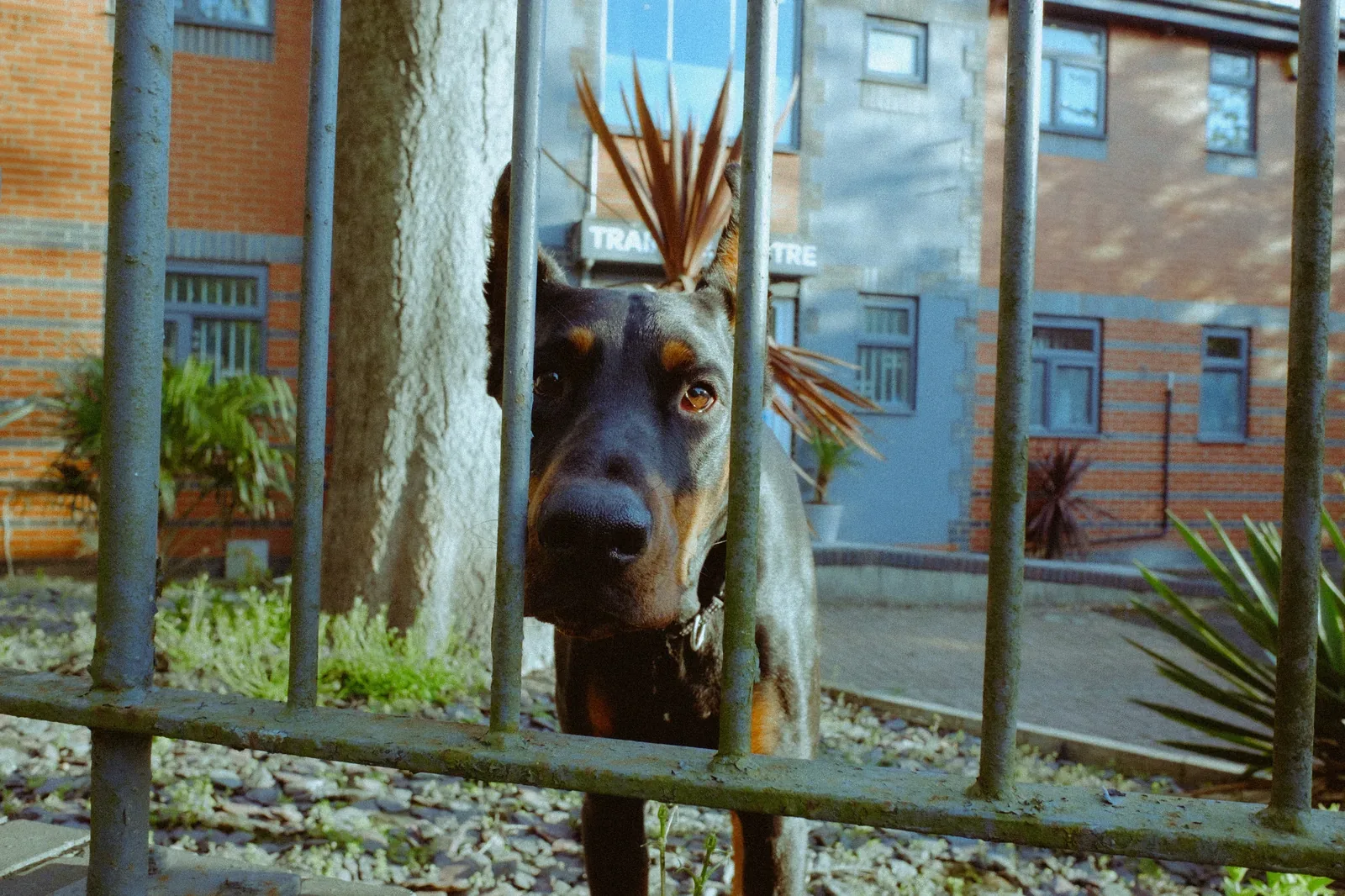
Washington DC's urban environment creates unique pet health considerations
How Much Does Affordable Pet Insurance Cost in the DC Metro Area?
Prices based on $5,000 annual limit, 80% reimbursement, $500 deductible
Looking for cheap pet insurance in the DC area? Washington DC proper has the highest prices in the metro, reflecting the high cost of running a vet practice in the city. Maryland and Virginia suburbs offer slightly lower prices while still providing access to excellent veterinary care. Arlington and Alexandria are popular for pet owners who want slightly lower costs while staying close to DC.
Washington DC
Pop. 689K
Dogs
$48
Annual
$576
Arlington VA
Pop. 239K
Dogs
$45
Annual
$540
Alexandria VA
Pop. 158K
Dogs
$44
Annual
$528
Bethesda MD
Pop. 68K
Dogs
$46
Annual
$552
Silver Spring MD
Pop. 82K
Dogs
$45
Annual
$540
Pet Insurance Costs by Age
| Pet Age | Cat Monthly | Dog Monthly |
|---|---|---|
| 6 months | $20/mo | $38/mo |
| 5 years | $30/mo | $52/mo |
| 10 years | $55/mo | $95/mo |
Prices climb as pets get older. A 10-year-old dog often costs two to three times what a 6-month-old puppy does. This is why most vets suggest signing up when your pet is young, before pre-existing conditions pile up and exclusions become a problem. In DC, where vet costs are already the highest in the country, the gap between young and old pet premiums is particularly wide.
DC Cost Context
DC has the highest pet insurance costs in the country. The reason is the same as for everything else in DC: high real estate, high staff salaries, and high overhead for veterinary practices. A vet office in Dupont Circle or Capitol Hill pays rent that is multiples of what a vet office in suburban Maryland pays. That gets passed on to pet owners. The benefit is that specialist access in the DC metro is excellent — Friendship Hospital for Animals handles complex cases in oncology, surgery, cardiology, and neurology that other cities might refer out of state.
For pet owners who use vets in Maryland or Virginia suburbs, prices can be slightly lower while still receiving excellent care. Many DC residents use suburban vets for routine care and save money without sacrificing quality.
DC Urban Hazards for Pets
No competitor covers this well. DC's urban environment — the concrete heat island, Rock Creek Park's coyotes, July humidity — creates hazards that are distinct from suburban and rural areas. Here is what you need to know before you skip pet insurance.
Summer Heat & Pavement Burns
DC summers are hot and humid. The concrete heat island effect in neighborhoods like Dupont Circle, Georgetown, and Capitol Hill makes pavement hot enough to burn dog paws after just a few minutes. Walk dogs early morning or after sunset. Test pavement with your hand before a walk. If your dog gets burned, vet treatment for the burn is covered under accident plans.
Heatstroke Risk
DC humidity in July and August makes heatstroke a real risk for dogs left outside or exercised during midday heat. Dogs with flat faces — bulldogs, pugs, Boston terriers — are especially vulnerable. Heatstroke is a medical emergency requiring IV fluids, cooling, and sometimes overnight hospitalization. Covered under comprehensive illness plans as illness. Not covered under accident-only plans.
Coyote Encounters
Rock Creek Park has a resident coyote population that has expanded into surrounding neighborhoods including Cleveland Park, Woodley Park, and Capitol Hill. Small dogs and cats are most at risk. Keep small pets supervised outdoors, especially at dawn and dusk. A coyote attack resulting in injury is covered as an accident under most standard plans.
Urban Wildlife
Beyond coyotes, DC's urban environment includes rats, pigeons, and other wildlife that pets may encounter. Rat bites can transmit disease. Interactions with wildlife that result in injury are typically covered as accidents. Keeping pet food indoors and securing trash reduces attractants.
Specialist Vet Access
DC has excellent specialist vet access. Friendship Hospital for Animals in DC proper is a top veterinary teaching hospital handling complex cases in oncology, surgery, cardiology, and neurology. The Maryland suburbs have additional specialty centers. Most pet insurance plans let you see specialists without a referral and without being restricted to a network.
DC Metro Cross-State Coverage
Your DC pet insurance policy covers vet visits in Maryland and Virginia as well as DC. Many pet owners live in DC but use vets in the Maryland or Virginia suburbs for routine care. This cross-state flexibility is built into most pet insurance plans. Some providers offer network discounts for using in-network vets in the DC metro area.
Top Pet Insurance Providers in Washington DC
| Provider | Rating | Monthly Cost | Deductible | Best For | Get a quote |
|---|---|---|---|---|---|
Healthy Paws | 4.8/5 | $30 - $80 | 100, 250, 500 | Comprehensive coverage | Get quote |
Lemonade | 4.5/5 | $20 - $60 | 100, 250, 500 | Budget-conscious pet owners | Get quote |
Odie | 4.4/5 | $25 - $45 | 250, 500, 1000 | Senior pets & wellness add-ons | Get quote |
Embrace | 4.3/5 | $25 - $70 | 200, 300, 500 | Customizable coverage | Get quote |
Trupanion | 4.2/5 | $35 - $90 | 250, 500, 750 | Maximum reimbursement | Get quote |
Advertising Disclosure: CheckItAll.net is an independent comparison site. We may receive compensation when you click links or sign up with partners featured on our site. This compensation may affect how and where products appear on this site. Our opinions are our own. Read our full disclosure.
DC-Specific Coverage Questions
Does pet insurance cover heatstroke treatment in DC summers?
Yes, under comprehensive illness coverage. DC summers are hot and humid, and the urban heat island effect in neighborhoods like Dupont Circle, Capitol Hill, and Georgetown makes the concrete retain heat well after sunset. Dogs left outside or exercised in midday heat can develop heatstroke, which is a medical emergency requiring IV fluids, cooling, and sometimes overnight hospitalization. These costs add up fast. Heatstroke is covered as an illness under comprehensive plans. Accident-only plans exclude it since heatstroke is an illness, not an injury.
Are coyote encounters a real concern for DC pets?
Yes. Rock Creek Park has a resident coyote population, and coyote sightings occur throughout DC including in Cleveland Park, Woodley Park, and Capitol Hill. Small dogs and cats are most at risk. A coyote attack resulting in injuries to your pet — bites, puncture wounds, or trauma — would be covered as an accident under most standard pet insurance plans. Keeping small pets indoors at dawn and dusk and supervising outdoor time in areas near Rock Creek Park reduces the risk.
What makes DC vet costs so high compared to other states?
DC ranks at or near the top for veterinary costs in the country. The reason is the same as for everything else in DC: high real estate costs, high staff salaries, and high overhead for vet practices. A vet office in Dupont Circle or Capitol Hill pays rent that is multiples of what a vet office in rural Virginia pays. That gets passed on to pet owners. The silver lining is that specialist access is excellent — Friendship Hospital for Animals is one of the top veterinary teaching hospitals on the East Coast, handling complex referrals in oncology, surgery, cardiology, and neurology.
Can I use my DC pet insurance in Maryland or Virginia?
Yes. Most pet insurance plans cover vet visits with any licensed vet in all 50 states. Your DC policy covers Maryland and Virginia vets, which is convenient since many DC residents use suburban Maryland or Virginia vets for routine care and emergency visits. Prices in the Maryland and Virginia suburbs are often slightly lower than in DC proper, which can mean slightly lower vet bills even with the same insurance coverage.
Washington D.C.-Specific Factors to Consider
- •High veterinary costs in metro area
- •Urban pet ownership considerations
- •Excellent specialist vet access
Pet Insurance Regulations in Washington DC
DC Department of Insurance, Securities and Banking oversees pet insurance. Consumer protections are strong.
The DC Department of Insurance, Securities and Banking oversees pet insurance providers in Washington DC. Consumer protections are strong in DC — more so than in many states — which means DC pet owners have solid regulatory backing if a dispute with an insurance provider arises. Most national pet insurance providers operate freely in DC, and the regulatory environment does not artificially restrict coverage options or drive up premiums beyond what the market supports.
Frequently Asked Questions about Pet Insurance in Washington DC
Is pet insurance worth it in DC given the high vet costs?
For most DC pet owners, yes. Emergency vet visits run $1,500 to $3,000 for a hospitalization, and surgery can hit $5,000 to $8,000 in the DC metro. DC-specific risks like summer heatstroke, coyote encounters near Rock Creek Park, and pavement burns make unexpected vet bills a real possibility. If that would stretch your budget, insurance makes practical sense.
What does pet insurance typically cost in DC?
DC has the highest pet insurance costs in the country at $48/month for dogs and $26/month for cats on average. Washington DC proper is the most expensive, while Maryland and Virginia suburbs come in slightly lower. The premium reflects the high cost of veterinary care in the DC metro area.
Does DC regulate pet insurance?
Yes. The DC Department of Insurance, Securities and Banking oversees pet insurance providers. DC has strong consumer protections compared to many states, which means DC pet owners have solid regulatory backing if a dispute arises.
What emergency vets are available in DC?
DC has several 24-hour emergency vets including Friendship Hospital for Animals in DC proper and BluePearl Pet Hospital in the Maryland suburbs. Friendship Hospital is one of the most respected veterinary teaching hospitals on the East Coast and handles complex referrals in oncology, surgery, cardiology, and neurology.
Does pet insurance cover breed-specific conditions?
Most plans cover hereditary and congenital conditions if they are not pre-existing and not explicitly excluded. Some providers have breed-specific exclusions or waiting periods for certain conditions. Ask about breed-specific concerns when comparing plans.
What is the claims turnaround time in DC?
Most providers process claims within 2 to 3 weeks in DC. Trupanion can pay your vet directly at the time of visit, which means you do not pay out of pocket and wait for reimbursement. Check with your provider about direct vet pay options.
Can I use any vet in Maryland or Virginia with my DC policy?
Yes. Your DC pet insurance covers vet visits with any licensed vet in Maryland, Virginia, and all 50 states. Many DC residents use Maryland or Virginia suburbs for routine care and emergency visits, where prices can be slightly lower while still receiving excellent care.
Is there a pet insurance waiting period in DC?
Yes. All plans have waiting periods — typically 1 to 14 days for illness coverage and 1 to 5 days for accidents. Some plans have longer waiting periods for specific conditions like hip dysplasia. If your pet needs immediate coverage for an existing condition, pet insurance is not the right tool.
Protecting Your Pet in DC
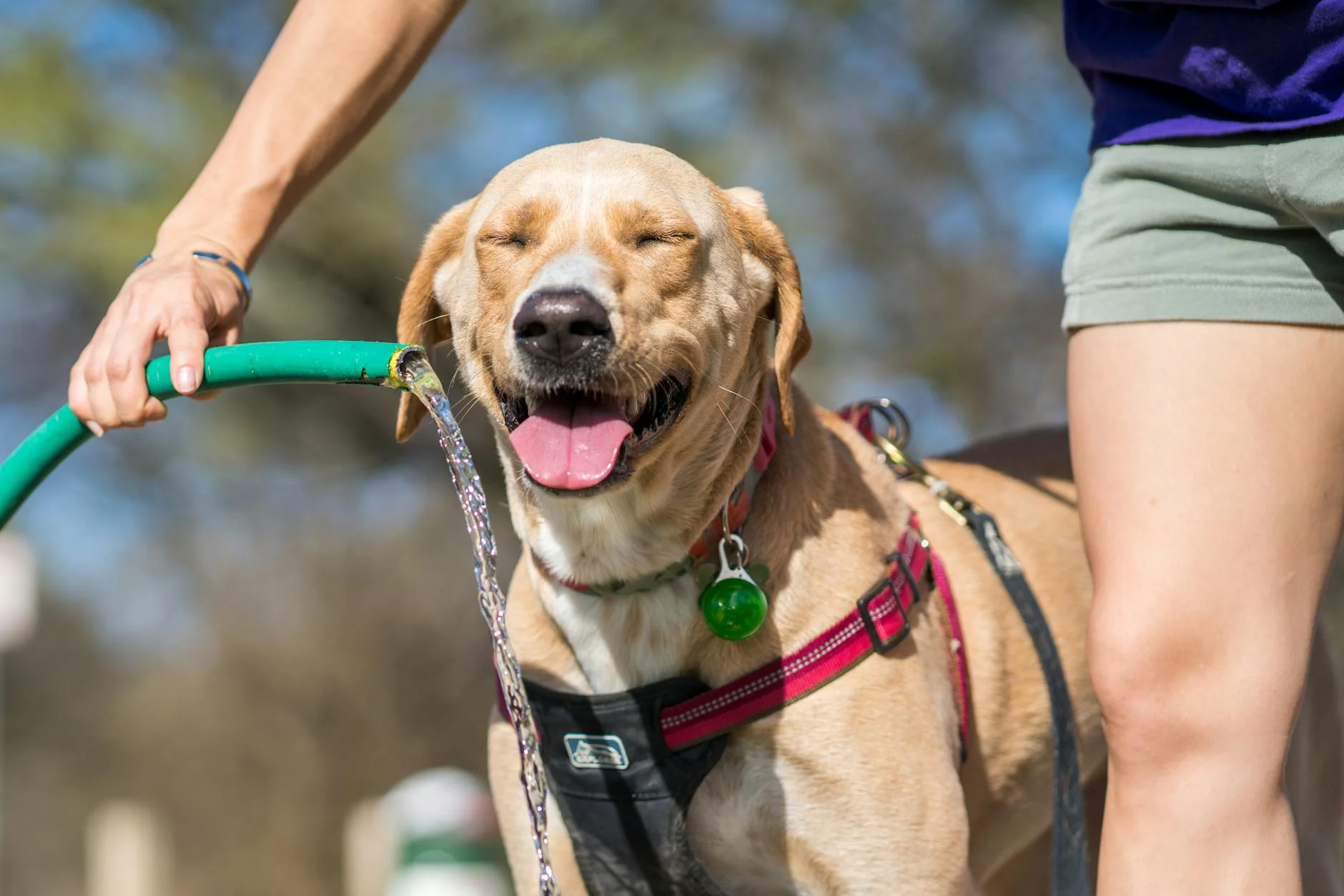
From summer heatstroke to coyote encounters, DC pets face unique urban risks. Pet insurance gives you peace of mind.
Pet Insurance in Other States
Advertising Disclosure: CheckItAll.net is an independent comparison site. We may receive compensation when you click links or sign up with partners featured on our site. This compensation may affect how and where products appear on this site. Our opinions are our own. Read our full disclosure.