Pet Insurance in Washington
Washington pet owners pay about $42/month for dogs and $23/month for cats on average. Seattle and Bellevue run higher — the Seattle metro has some of the highest vet costs in the country. The catch: earthquake risk from the Cascadia Subduction Zone, year-round tick activity in Western Washington, coyote encounters in Seattle suburbs, and fall mushroom poisoning are genuine risks that Washington pet owners face. If your pet gets caught in any of that, the bills add up fast.

Avg. Cat Cost
$23
per month
Avg. Dog Cost
$42
per month
Seattle Emergency Vet Hospitalization
$500-$1,500
Average hospitalization cost, specialty care can reach $8,000+
Why Pet Insurance Matters in Washington
Washington is a remarkable place to be a pet owner. From the mountains around Mount Rainier to the Puget Sound shoreline to the forests of the Olympic Peninsula, there is no shortage of places to explore with your dog or cat. But that same Pacific Northwest environment brings some pet health risks that are distinct to this region — and that most national pet insurance content does not address.
Earthquake risk is the one that most people know about. The Cascadia Subduction Zone runs along the Washington and Oregon coast, and scientists have warned for years that a major earthquake is a real possibility. If you have pets, earthquake preparedness means having a plan for them — a carrier, medications, food, and a way to keep them safe. If the big one hits and your pet is injured, standard accident coverage applies. The stress and anxiety from seismic events can also manifest as illness in pets, which would fall under comprehensive illness coverage if you have it.
Tick-borne diseases are the other major Pacific Northwest concern that most people underestimate. Western Washington — particularly the Olympic Peninsula and the Cascades foothills — has elevated Lyme disease rates. The mild climate means tick season does not really end here. Anaplasma and Ehrlichia are also present year-round. Dogs and cats who spend time in wooded areas, hiking trails, or even backyard gardens in these regions are at ongoing risk. Treatment for serious tick-borne illness can cost thousands, and only comprehensive illness plans cover these conditions.
Seattle emergency vet care runs $500 to $1,500 for a hospitalization. Surgery can hit $3,000 to $8,000 or more. Those numbers hit hard if you are not prepared — and for a lot of Washington pet owners, they come as a surprise.
Fall mushroom poisoning is one of the most distinctively Washington risks. Death cap mushrooms — highly toxic to dogs and cats — grow widely throughout the Seattle metro area and Western Washington, particularly in the fall. Dogs are especially susceptible because they often eat mushrooms while exploring yards or parks during autumn walks. Mushroom toxicity treatment can cost $3,000 to $10,000 or more and may require intensive care. This is covered under comprehensive illness plans.
Washington pet insurance premiums run slightly above the national average, largely because Seattle and Bellevue have some of the highest vet costs in the country. That makes this a good time to lock in coverage before costs rise further or your pet develops a condition that ends up excluded from future coverage.

Washington's Pacific Northwest environment creates unique pet health considerations
How Much Does Affordable Pet Insurance Cost in Washington?
Prices based on $5,000 annual limit, 80% reimbursement, $500 deductible
Looking for affordable pet insurance Washington? These five cities represent the statewide market. Seattle and Bellevue are the highest-cost metros in the state due to elevated vet costs. Tacoma, Spokane, and Vancouver WA offer slightly lower pricing while still providing access to quality veterinary care. All five cities have licensed vets available through the Washington State Veterinary Medical Association network.
Seattle
Pop. 750K
Dogs
$45-$65
Annual
$540-$780
Bellevue
Pop. 155K
Dogs
$40-$50
Annual
$480-$600
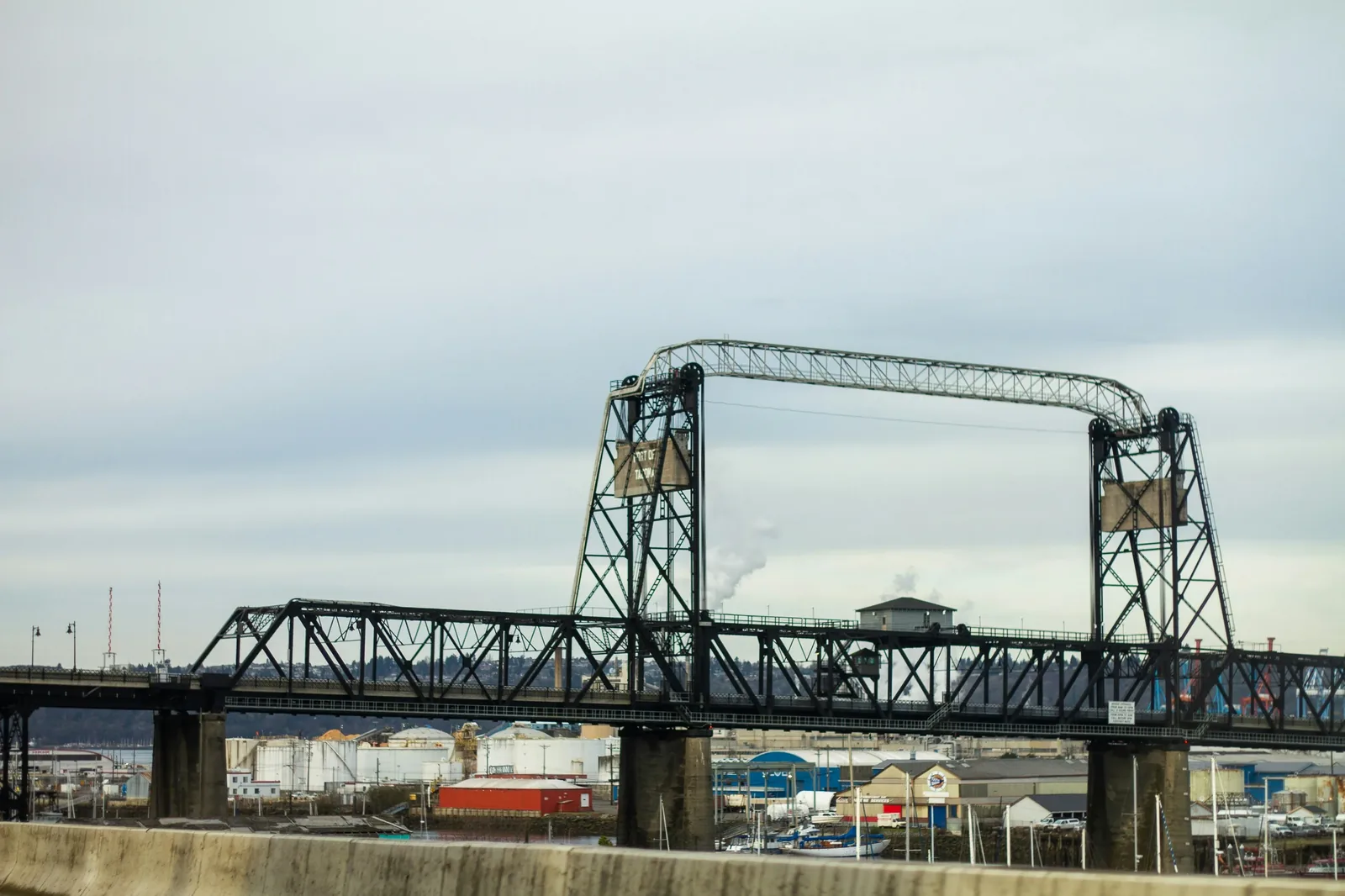
Tacoma
Pop. 225K
Dogs
$40-$50
Annual
$480-$600
Spokane
Pop. 235K
Dogs
$35-$45
Annual
$420-$540
Vancouver
Pop. 195K
Dogs
$38-$48
Annual
$456-$576
Pet Insurance Costs by Age
| Pet Age | Cat Monthly | Dog Monthly |
|---|---|---|
| 6 months | $16/mo | $32/mo |
| 5 years | $26/mo | $46/mo |
| 10 years | $52/mo | $92/mo |
Prices climb as pets get older. A 10-year-old dog often costs two to three times what a 6-month-old puppy does. This is why most vets suggest signing up when your pet is young, before pre-existing conditions pile up and exclusions become a problem. In Washington, where tick-borne diseases, earthquake risk, and coyote encounters are realistic possibilities, getting coverage early matters even more.
Washington Cost Context
Washington pet insurance runs slightly above the national average, largely because Seattle and Bellevue have some of the highest veterinary costs in the country. Emergency specialty vet care in Seattle can run $3,000 to $8,000 or more for serious conditions. Spokane and Tacoma track slightly below Seattle proper while still maintaining quality vet care. For pet owners searching for affordable pet insurance Washington, the comparison shopping matters — the difference between providers for the same coverage can be $15 to $30 per month.
The same comprehensive plan that might cost $35 to $45 in some states might run you $42 to $60 in Washington. That gap adds up over a year, and it is one practical reason to compare providers carefully before enrolling. Washington has over 1,100 licensed veterinarians across the state, so you have access to quality care — the question is how to manage the cost of that care.
Washington Hazards for Pets
No competitor covers this well. Washington's Pacific Northwest environment — from the Cascades to the Puget Sound to the Olympic Peninsula — brings hazards that are distinct from most other states. Here is what you need to know before you skip pet insurance.
Earthquake Risk
The Cascadia Subduction Zone runs along Washington's coast. A major earthquake is a real possibility that scientists have warned about for years. If your pet is injured during an earthquake, standard accident coverage applies. Earthquake preparedness for pets means having carriers, medications, and a plan. Having insurance means you can focus on your family's safety without worrying about the vet bill after.
Tick-Borne Diseases
Lyme disease rates are elevated in Western Washington year-round due to the mild Pacific Northwest climate — tick season does not really end here. The Olympic Peninsula and Cascades foothills are particularly high-risk areas. Anaplasma and Ehrlichia are also present. Treatment costs vary but can run into the thousands. Comprehensive plans cover these as illness — accident-only plans exclude them since tick-borne disease is an illness, not an injury.
Mushroom Poisoning
Fall mushroom poisoning is one of the most distinctively Washington risks. Death cap mushrooms — highly toxic to dogs and cats — grow widely in the Seattle metro area and throughout Western Washington in autumn. Dogs are especially susceptible because they eat mushrooms during yard or park walks. Treatment can cost $3,000 to $10,000+ and may require intensive care. Covered under comprehensive illness plans.
Coyote Encounters
Coyotes are present throughout Washington, including documented sightings in Seattle metro suburbs. Small pets — particularly small dogs and cats — are most at risk. A coyote attack resulting in injury is covered as an accident under most standard pet insurance plans. The vet bills from a serious coyote attack can be severe, which is one reason comprehensive accident coverage matters if you live in or near areas with coyote activity.
Rattlesnake Bites
Eastern Washington has rattlesnake season from April through October. The Northern Pacific rattlesnake (Crotalus oreganus) is present in shrubland, rocky hillsides, and rural areas throughout eastern WA. A dog or cat bitten by a rattlesnake faces a $2,500 to $15,000+ vet bill depending on whether antivenin is needed and how quickly you get to a vet. Accident-only plans cover rattlesnake bites as injuries — comprehensive plans also cover complications.
Wildfire Smoke
Washington experiences significant wildfire smoke in the summer and fall months, particularly in eastern WA but also affecting the Seattle and Portland metro areas. Smoke exposure can cause respiratory issues in pets, especially those with pre-existing conditions like asthma or heart disease. Treatment for smoke-related respiratory illness would be covered under comprehensive illness plans. Keeping pets indoors during poor air quality days is the first line of defense.
Top Pet Insurance Providers in Washington
| Provider | Rating | Monthly Cost | Deductible | Best For | Get a quote |
|---|---|---|---|---|---|
Healthy Paws | 4.8/5 | $30 - $80 | 100, 250, 500 | Comprehensive coverage | Get quote |
Lemonade | 4.5/5 | $20 - $60 | 100, 250, 500 | Budget-conscious pet owners | Get quote |
Odie | 4.4/5 | $25 - $45 | 250, 500, 1000 | Senior pets & wellness add-ons | Get quote |
Embrace | 4.3/5 | $25 - $70 | 200, 300, 500 | Customizable coverage | Get quote |
Trupanion | 4.2/5 | $35 - $90 | 250, 500, 750 | Maximum reimbursement | Get quote |
Advertising Disclosure: CheckItAll.net is an independent comparison site. We may receive compensation when you click links or sign up with partners featured on our site. This compensation may affect how and where products appear on this site. Our opinions are our own. Read our full disclosure.
Washington-Specific Coverage Questions
Does pet insurance cover earthquake damage to pets in Washington?
Standard accident coverage applies to injuries sustained during an earthquake event. If your pet is injured when something falls during a quake, or if your pet runs off in panic and gets hurt, those are accidents covered under most plans. Earthquake-specific damage to property — like a destroyed crate — is not covered, but the pet's injury would be. Given that the Cascadia Subduction Zone can produce a major earthquake, having accident coverage for your pet is practical preparation for Washington pet owners.
What about mushroom poisoning in Washington?
Fall mushroom poisoning is one of the most distinctive Washington pet risks. Death cap mushrooms — highly toxic — grow widely in the Seattle metro area and throughout Western Washington. Dogs are particularly susceptible because they often eat mushrooms while exploring yards or parks during fall. Treatment for severe mushroom toxicity can run $3,000 to $10,000 or more and may require intensive care. This would be covered as illness under comprehensive plans. Prevention is the key strategy here: check your yard regularly, keep dogs on leash during walks in wooded areas, and know the symptoms of mushroom toxicity.
Are tick-borne diseases a real concern for pets in Washington?
Yes. Lyme disease rates are elevated in Western Washington, particularly in the Olympic Peninsula and the Cascades foothills. The mild Pacific Northwest climate means tick season does not really end — ticks are active year-round in many parts of the state. Anaplasma and Ehrlichia are also present. Treatment for serious tick-borne illness can run into the thousands. Comprehensive illness plans cover these as illness — accident-only plans exclude them. Monthly tick prevention medication is the first line of defense for Washington pets, and comprehensive coverage is the backup plan when prevention is not enough.
What about rattlesnake bites in Eastern Washington?
Eastern Washington has a rattlesnake season from April through October. The Crotalus oreganus — Northern Pacific rattlesnake — is present in shrubland, rocky hillsides, and rural areas throughout eastern WA. A dog or cat bitten by a rattlesnake faces a $2,500 to $15,000+ vet bill depending on whether antivenin is needed and how quickly you get to a vet. Accident-only plans cover rattlesnake bites as injuries. Comprehensive plans cover the bite and any resulting complications. If you live in or visit eastern Washington with your pet — whether for hiking, camping, or just being in rural areas — this is a real risk to factor in.
Washington-Specific Factors to Consider
- •Pacific Northwest weather injury considerations
- •Seattle metro has high vet costs
- •Wildlife encounters (coyotes, bears)
Pet Insurance Regulations in Washington
Washington Office of the Insurance Commissioner oversees pet insurance. Strong consumer protections.
The Washington Office of the Insurance Commissioner oversees pet insurance providers and ensures compliance with state insurance regulations. For Washington pet owners, this means national providers operate freely in the state with no unusually restrictive rules limiting coverage options or driving up premiums artificially. Washington has over 1,100 licensed veterinarians across the state, meaning pet owners have access to quality care and can use any licensed vet with their insurance.
Frequently Asked Questions about Pet Insurance in Washington
Is pet insurance worth it in Washington?
For most Washington pet owners, yes. Seattle-area vet costs rank among the highest in the country, and emergency vet visits can run $500 to $1,500 for a hospitalization while surgery can hit $3,000 or more. Beyond cost, Washington comes with a set of pet risks that are distinct to the Pacific Northwest: tick-borne diseases like Lyme are present year-round in Western WA, earthquakes are a real threat from the Cascadia Subduction Zone, and mushroom poisoning is a genuine fall risk in the Seattle metro area. If any of that would stretch your budget, insurance makes sense.
What does pet insurance typically cost in Washington?
Cats average $23/month in Washington. Dogs run about $42/month on average. That puts Washington slightly above the national average, largely because Seattle and Bellevue metro areas have higher vet costs than most of the country. Spokane and Tacoma track slightly below Seattle proper.
Does Washington regulate pet insurance?
Yes. The Washington Office of the Insurance Commissioner oversees pet insurance providers. The regulatory environment includes strong consumer protections — providers must be licensed to sell in the state and follow Washington insurance regulations. Most national pet insurance providers operate freely in Washington.
What emergency vets are available in Washington?
Washington has excellent vet coverage with over 1,100 licensed veterinarians statewide. Seattle has multiple 24-hour emergency vets including BluePearl Pet Hospital and Seattle Veterinary Specialists. Tacoma and Spokane have emergency vets as well. For complex cases, Seattle-area specialty vets can handle advanced care but costs reflect that expertise — which is why having insurance matters.
Does pet insurance cover breed-specific conditions?
Most pet insurance plans cover hereditary and congenital conditions if they are not pre-existing and if the condition is not explicitly excluded. Some providers have breed-specific exclusions or waiting periods for certain conditions. When comparing plans, ask about breed-specific concerns for your dog or cat. A vet familiar with your breed can tell you what conditions to watch for in the Pacific Northwest environment.
What is the claims turnaround time in Washington?
Most pet insurance providers process claims within 2 to 3 weeks in Washington. Some providers like Trupanion can pay your vet directly at the time of visit, which means you do not have to pay out of pocket and wait for reimbursement. Check with your provider about direct vet pay options when you enroll — this can be especially helpful for expensive treatments like those needed for mushroom toxicity or complex rattlesnake bite care.
Can I use any vet in Washington?
Most pet insurance plans in Washington work with any licensed vet — you are not restricted to a network. This means you can use your local vet in Seattle, Tacoma, Spokane, Bellevue, or any Washington city, as well as emergency vets anywhere in the state. Some providers offer discounts for using in-network vets, but the flexibility to see any vet is a standard benefit of most plans. Washington has over 1,100 licensed vets so you have plenty of options.
Is there a pet insurance waiting period in Washington?
Yes. All pet insurance plans have waiting periods — typically 1 to 14 days for illness coverage and 1 to 5 days for accidents. Some plans have longer waiting periods for specific conditions like hip dysplasia. If your pet needs immediate coverage for an existing condition, pet insurance is not the right tool — consider setting aside money in a dedicated pet savings account instead. Given Washington's high vet costs and the realistic risks of accidents (coyote encounters, rattlesnake bites) and illness (Lyme disease, mushroom toxicity), the sooner you enroll a healthy pet, the sooner you are protected.
Protecting Your Pet in Washington
From earthquake preparedness to tick prevention, Washington pets face unique risks. Pet insurance gives you peace of mind.
Pet Insurance in Other States
Advertising Disclosure: CheckItAll.net is an independent comparison site. We may receive compensation when you click links or sign up with partners featured on our site. This compensation may affect how and where products appear on this site. Our opinions are our own. Read our full disclosure.