Pet Insurance for Bichon Frises
Bichon Frises live 10 to 15 years, which means years of potential vet bills. Skin allergies bother these dogs year-round. Cataracts can steal their sight by age 7. A single cataract surgery can run $5,000. Insurance helps you cover what matters without draining your savings.
Avg. Monthly Cost
$25-$60
for small breed dogs
US Popularity
Top 20
AKC registered breed
Cataract Surgery
$1,500-$5,000
common in senior Bichons
Why Pet Insurance Matters for Bichon Frises
Bichon Frises have been winning hearts in American homes for decades. They are small — 10 to 18 pounds — with a fluffy white coat that does not shed much. That coat is a big part of their appeal, but it also comes with a downside: Bichons are prone to skin allergies that flare up from food, fleas, and environmental triggers.
Allergy season is not the only concern. Cataracts develop in many Bichons by age 6 or 7, and surgery to fix them runs $1,500 to $5,000 per eye. Bladder stones send some Bichons to the vet for surgery at $500 to $2,000. Patellar luxation — the kneecap slippage common in small dogs — costs $1,500 to $3,000 to fix. One or two health problems is all it takes to spend more than you planned.
"A Bichon Frise that lives 12 years is with you for a long time. Insurance means you can afford the care that keeps those years happy and healthy."
Legg-Calve-Perthes disease is another condition that affects young Bichons. The hip joint deteriorates, causing pain and limping. Surgery costs $1,000 to $3,000. The condition usually shows up before age 2, so if you have a Bichon puppy, this is something to watch for.
With pet insurance, you can get your Bichon to the vet when something comes up without hesitating over the bill. That is the real value of coverage — not peace of mind in the abstract, but a real decision made easier at 9pm on a Sunday when your dog is shaking their head and scratching their ears.
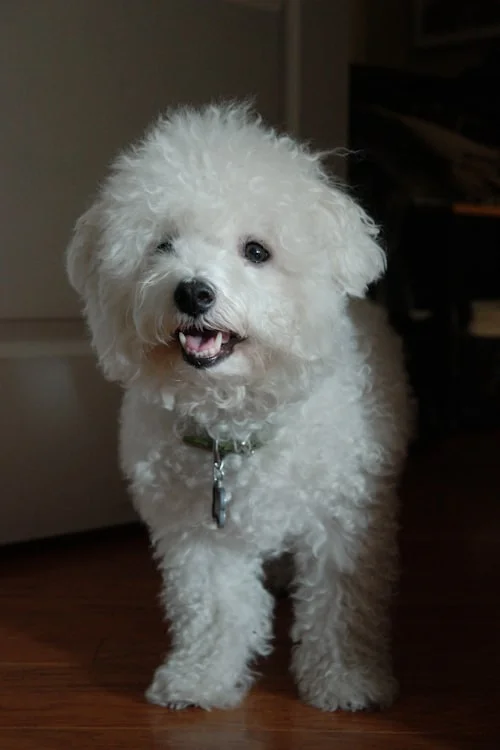
Bichon Frises are small, fluffy companions with a 10-15 year lifespan
Bichon Frise Health: What You Need to Know
Breed-specific health data from AKC, PetMD, and Embrace
Bichon Frises are generally healthy, but they are prone to a handful of conditions that owners should understand. Knowing what your Bichon faces helps you make smarter decisions about pet insurance and preventive care.
Skin Allergies
$200-$2,000/yr
Very common
Food, flea, or environmental allergies cause itching, ear infections, and hot spots
Patellar Luxation
$1,500-$3,000
Common in small breeds
Kneecap slips out of position, more common in older Bichons
Cataracts
$1,500-$5,000
High in breed
Cloudy lenses forming by age 6-8, surgical removal often necessary
Bladder Stones
$500-$2,000+
Common
Mineral crystals form in bladder, surgery required for large stones
Dental Disease
$300-$3,000
Common in small breeds
Tooth crowding from small jaw, gum disease and tooth loss without regular care
Legg-Calve-Perthes Disease
$1,000-$3,000
Breed-specific
Hip joint deterioration in young dogs, causes lameness and pain
Skin Allergies: The Most Common Bichon Frise Health Issue
If your Bichon is scratching, shaking their head, or getting ear infections, allergies are likely the cause. Food allergies, flea bites, and environmental allergens like pollen and dust all trigger reactions in this breed. The result is constant itching, inflamed skin, hot spots, and secondary infections that need treatment. Allergy testing and Apoquel or Cytopoint injections add up fast — $200 to $2,000 per year without insurance. With a comprehensive plan, you could recover most of that cost.
Dental Disease: A Small Breed Standard Problem
Bichon Frises have the same dental challenges as other small breeds. Their small jaws crowd teeth together, which means plaque builds up faster and gum disease sets in earlier. By age 3 or 4, many Bichons need professional dental cleaning. Annual cleanings run $300 to $800. Major dental work with extractions costs $1,500 to $3,000. Brush your Bichon is teeth daily and schedule annual vet dental exams — insurance with dental coverage makes that easier to keep up.
What Pet Insurance Covers for Bichon Frises
Comprehensive Illness Coverage
A comprehensive pet insurance plan that covers both accidents and illness is the best match for Bichon Frises. This type of plan covers:
- -Skin allergy testing and treatment ($200-$2,000/yr)
- -Cataract surgery ($1,500-$5,000 per eye)
- -Bladder stone removal ($500-$2,000+)
- -Patellar luxation surgery ($1,500-$3,000)
- -Legg-Calve-Perthes disease treatment ($1,000-$3,000)
- -Dental disease diagnosis and treatment ($300-$3,000)
Breed Exclusions to Watch For
Not all pet insurance plans treat Bichon Frises the same. Watch for these potential exclusions:
- -Pre-existing conditions — any condition present before enrollment is excluded
- -Hereditary condition waiting periods — Legg-Calve-Perthes and patellar luxation may have 6-12 month waiting periods
- -Skin allergy sublimits — some plans limit how much they pay per year for allergy treatment
- -Annual or lifetime payout limits that may not cover worst-case scenarios

Regular Vet Care for Bichon Frises
Twice-yearly exams, daily tooth brushing, and allergy management help prevent costly problems
Wellness Add-Ons Worth Considering
For Bichon Frises, wellness add-ons can pay for themselves. Annual exams, vaccinations, heartworm prevention, and flea control are all routine. Because skin allergies are so common in the breed, a wellness plan that covers allergy testing and ongoing medication is particularly valuable. Some providers bundle these at a discounted rate compared to paying out of pocket.

Fluffy, Happy, and Prone to Trouble — Covered
Bichon Frises were bred in the Mediterranean and became favorites of European royalty before making their way to America. They are happy, playful dogs with a curly white coat that makes them look like living stuffed animals. That fluff comes with work — regular grooming, daily brushing, and allergy management are part of life with a Bichon.
Their white coat also shows every stain, every hot spot, and every scratch. If your Bichon is chewing at their paws or shaking their head, you see it immediately. The same goes for limping from patellar luxation or bumping into furniture as cataracts develop. These are not dramatic events — they are part of owning a Bichon. Knowing what your dog faces helps you protect them and make smarter insurance decisions.
With a comprehensive pet insurance plan, you do not have to choose between your wallet and getting your Bichon the care they need. The investment in insurance pays off the first time an allergy flare-up lands you at the vet, or when cataract surgery comes up on the horizon.
Top Pet Insurance Providers for Bichon Frises
| Provider | Rating | Monthly Cost | Deductible | Best For | Get a quote |
|---|---|---|---|---|---|
Healthy Paws | 4.8/5 | $30 - $80 | 100, 250, 500 | Comprehensive coverage | Get quote |
Lemonade | 4.5/5 | $20 - $60 | 100, 250, 500 | Budget-conscious pet owners | Get quote |
Odie | 4.4/5 | $25 - $45 | 250, 500, 1000 | Senior pets & wellness add-ons | Get quote |
Embrace | 4.3/5 | $25 - $70 | 200, 300, 500 | Customizable coverage | Get quote |
Trupanion | 4.2/5 | $35 - $90 | 250, 500, 750 | Maximum reimbursement | Get quote |
Advertising Disclosure: CheckItAll.net is an independent comparison site. We may receive compensation when you click links or sign up with partners featured on our site. This compensation may affect how and where products appear on this site. Our opinions are our own. Read our full disclosure.
Frequently Asked Questions about Bichon Frise Pet Insurance
Is pet insurance worth it for Bichon Frises?
For most Bichon Frise owners, yes. These dogs have a 10 to 15 year lifespan, which means years of potential vet bills stacking up. Skin allergies alone can run $200 to $2,000 per year. Cataract surgery can hit $5,000. If something like that would throw off your budget, insurance makes sense. The key is enrolling while your Bichon is still a puppy and healthy — pre-existing conditions are not covered, so waiting until something comes up means that condition gets excluded forever.
How much is pet insurance for a Bichon Frise?
Bichon Frises cost between $25 and $60 per month for comprehensive coverage. Puppies are cheaper — most fall in the $20 to $35 range. Adults in their prime years (1 to 8) typically run $30 to $50. Senior Bichons over age 8 get pricier, and some providers charge $60 or more per month for dogs in the back half of their lifespan.
Does pet insurance cover skin allergies in Bichon Frises?
Most comprehensive plans cover skin allergies as an illness condition. This matters for Bichons — allergies are one of the most common health issues in the breed. Without insurance, allergy testing and medication add up fast. With coverage, you could recover 70 to 90 percent of those costs after your deductible.
What does pet insurance typically cover for Bichon Frises?
Comprehensive plans cover accidents and illness. For Bichons, that means skin allergies, patellar luxation, cataracts, bladder stones, dental disease, and Legg-Calve-Perthes disease are all covered. Accident-only plans only cover injuries, so they would not pay out for allergy flare-ups or eye problems.
Are there breed-specific exclusions for Bichon Frise insurance?
Some providers have waiting periods for hereditary conditions. Patellar luxation and Legg-Calve-Perthes disease may have 6 to 12 month waiting periods with some insurers. Before enrolling, read the policy carefully — look at the waiting period, the payout limit, and whether breed-specific conditions like skin allergies have any special limits.
How much does cataract surgery cost for Bichon Frises?
Cataract surgery for a Bichon Frise typically runs $1,500 to $5,000 per eye. Most dogs develop cataracts in both eyes. The condition usually shows up between ages 6 and 8. Without surgery, Bichons can go blind. With comprehensive pet insurance, you could recover most of that cost after your deductible and annual limit.
Does pet insurance cover bladder stones in Bichon Frises?
Yes, bladder stones are typically covered under illness coverage as a urinary tract condition. If your Bichon needs surgery to remove stones, insurance can cover 70 to 90 percent of the cost after your deductible.
What is the best pet insurance for Bichon Frises?
Healthy Paws is often a top choice for Bichons because it covers breed-specific conditions with no annual payout limits. Trupanion is another strong option, particularly for hereditary conditions like Legg-Calve-Perthes and patellar luxation — it offers direct vet pay so you do not have to front the full amount. Compare providers based on your dog age, any pre-existing conditions, your deductible, and your preferred reimbursement percentage.
Pet Insurance by Breed
Advertising Disclosure: CheckItAll.net is an independent comparison site. We may receive compensation when you click links or sign up with partners featured on our site. This compensation may affect how and where products appear on this site. Our opinions are our own. Read our full disclosure.