Pet Insurance for Shiba Inus
Shiba Inus are handsome, independent dogs with a fox-like face and a stubborn streak. They are generally healthy, but allergies are the breed is number-one problem — and they can scratch themselves raw during flare-ups. Eye disease, hip dysplasia, and patellar luxation are also real risks. Insurance helps you cover what your Shiba needs without burning through your savings.
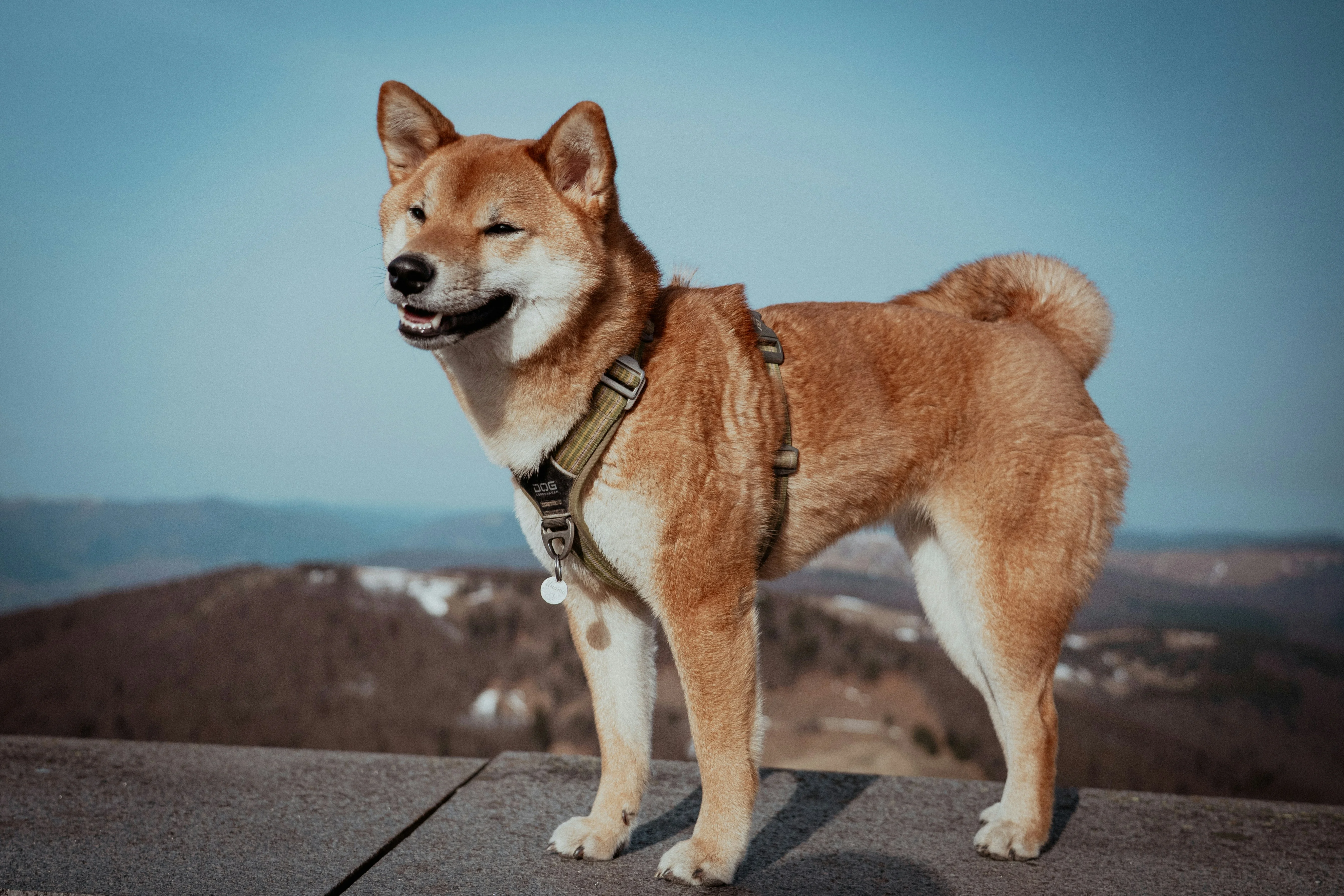
Avg. Monthly Cost
$40-$75
for medium breed dogs
US Popularity
Top 50
a growing favorite
Allergy Treatment
$500-$2,000+/yr
#1 shiba inu health issue
Why Pet Insurance Matters for Shiba Inus
Shiba Inus came to America from Japan and have won over a lot of dog lovers. Their pointed ears, curled tails, and fox-like faces make them instantly recognizable. They are compact — 17 to 23 pounds — and usually live 13 to 16 years. Most Shibas are pretty sturdy, but the breed has some genuine health vulnerabilities that can result in expensive vet bills.
Allergies are the biggest problem. Shibas scratch themselves raw during flare-ups. The itching can be so intense that they damage their own skin, leading to infections that need treatment. Some Shibas need allergy medication year-round. Others need special shampoos, allergy tests, and immunotherapy injections. These costs add up — $500 to $2,000 per year or more in bad cases. Without insurance, you pay out of pocket for every single flare-up.
Eye disease is another real concern. Progressive retinal atrophy — PRA — slowly destroys a Shiba is vision until they go blind. There is no cure. Glaucoma is painful and can destroy vision fast if not treated. Cataracts can be removed surgically for $2,000 to $3,000 per eye. A Shiba that develops eye problems may need ongoing care for the rest of their life.
"Shibas are tough, but they are not invincible. Allergy flare-ups and eye problems are where Shiba owners get hit with bills they did not expect."
Hip dysplasia shows up in some Shibas too. The hip socket does not form properly, which leads to arthritis and eventually trouble walking. Managing dysplasia means medication, physical therapy, and sometimes surgery at $2,000 to $5,000 or more. Patellar luxation — a slipping kneecap — is also common in medium-sized breeds and can require surgery at $1,500 to $3,000.
Hypothyroidism is another condition that appears in Shibas. The thyroid gland does not produce enough hormones, which slows down the metabolism. Dogs with hypothyroidism often gain weight, lose their coat, and feel tired all the time. Lifelong medication runs $300 to $600 per year. These are not emergency expenses, but they add up over a long life, and insurance helps you handle them without stress.
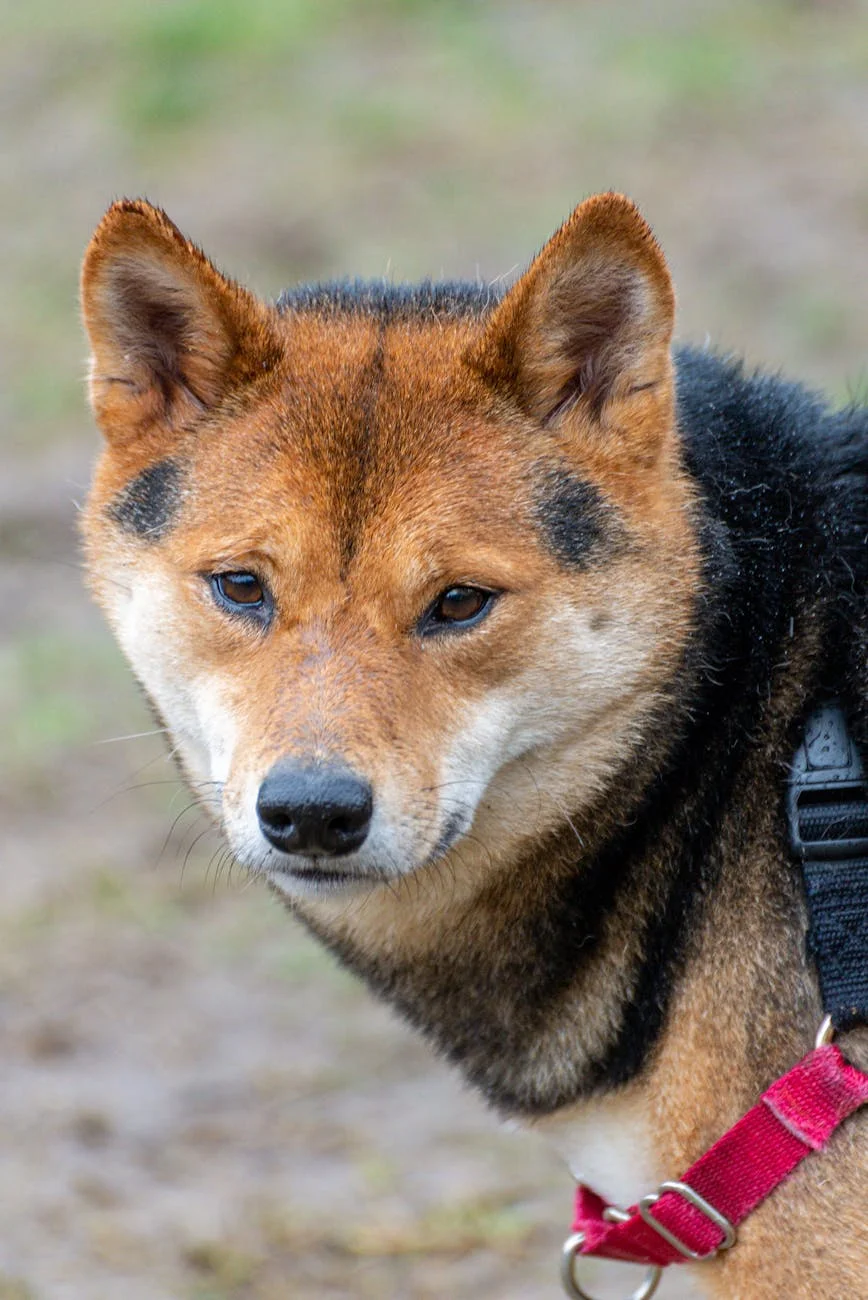
Shiba Inus are Japanese hunting dogs with a compact, muscular build and a fox-like face
Shiba Inu Health: What You Need to Know
Breed-specific health data from AKC, PetMD, and OFA
Shiba Inus are generally healthy dogs with a long lifespan — 13 to 16 years is typical. But they are prone to several health conditions that every owner should know about. Understanding what your Shiba faces helps you make smarter decisions about pet insurance and preventive care.
Allergies / Atopy
$500-$2,000+/yr
Most common Shiba Inu health issue
Intense itching, skin infections, ear problems — Shibas scratch themselves raw
Patellar Luxation
$1,500-$3,000
Common in medium breeds
Kneecap slips out of position, causes limping and arthritis over time
Hip Dysplasia
$2,000-$5,000+
Moderate prevalence in Shibas
Poor hip socket formation, leads to arthritis and mobility problems
Eye Problems (PRA, Glaucoma, Cataracts)
$200-$3,000+
Documented in the breed
Progressive retinal atrophy eventually causes blindness, glaucoma is painful
Hypothyroidism
$300-$600/yr
Documented in Shibas
Sluggish metabolism, weight gain, skin and coat problems
Anal Sac Issues
$300-$800
Common in Shibas
Impacted anal glands cause pain and infection if not treated
Allergies: The Number-One Shiba Inu Health Issue
Shiba Inus are one of the most allergy-prone breeds. They develop atopy — a hypersensitivity to environmental triggers like pollen, dust mites, and mold — at very high rates. During flare-ups, they scratch, lick, and bite their skin raw. Hot spots and skin infections follow. Some Shibas need medication year-round. Others need allergy testing and immunotherapy injections. Annual costs range from $500 to $2,000 or more. Without insurance, every flare-up comes out of your pocket.
Eye Problems: A Slow-Moving Threat
Progressive retinal atrophy — PRA — shows up in Shibas. It slowly destroys the retina until a dog goes blind. There is no treatment and no cure. Dogs adapt well to blindness with a stable home environment, but the diagnosis is still devastating for owners. Glaucoma is another threat — it comes on fast, causes severe pain, and destroys vision if not treated immediately. Cataract surgery runs $2,000 to $3,000 per eye. Early enrollment before any symptoms appear is the only way to ensure coverage for these conditions.
Hip Dysplasia: Manageable But Costly
Hip dysplasia appears in Shibas, though not as commonly as in large breeds. The hip socket does not form correctly, causing the femur head to rub and grind against the joint. Over time this leads to arthritis, pain, and trouble walking. Mild cases respond to joint supplements, weight management, and anti-inflammatory medication. Severe cases need surgery — either a femoral head ostectomy or a total hip replacement. Surgery costs $2,000 to $5,000 or more. With comprehensive pet insurance, you could recover 70 to 90 percent of those costs.
What Pet Insurance Covers for Shiba Inus
Comprehensive Illness Coverage
A comprehensive pet insurance plan that covers both accidents and illness is the best match for Shiba Inus. This type of plan covers:
- -Allergy diagnosis and treatment ($500-$2,000+/yr)
- -Patellar luxation surgery ($1,500-$3,000)
- -Hip dysplasia management and surgery ($2,000-$5,000+)
- -Eye disease diagnosis and treatment ($200-$3,000+)
- -Hypothyroidism medication ($300-$600/yr)
- -Anal sac infection treatment ($300-$800)
Breed Exclusions to Watch For
Not all pet insurance plans treat Shiba Inus the same. Watch for these potential exclusions:
- -Pre-existing conditions — any health problem present before enrollment is excluded
- -Hereditary condition waiting periods — hip dysplasia and eye problems may have 6-12 month waiting periods
- -Annual or lifetime payout limits that may not cover worst-case scenarios
- -Breed-specific condition caps or sublimits on allergy or hip coverage
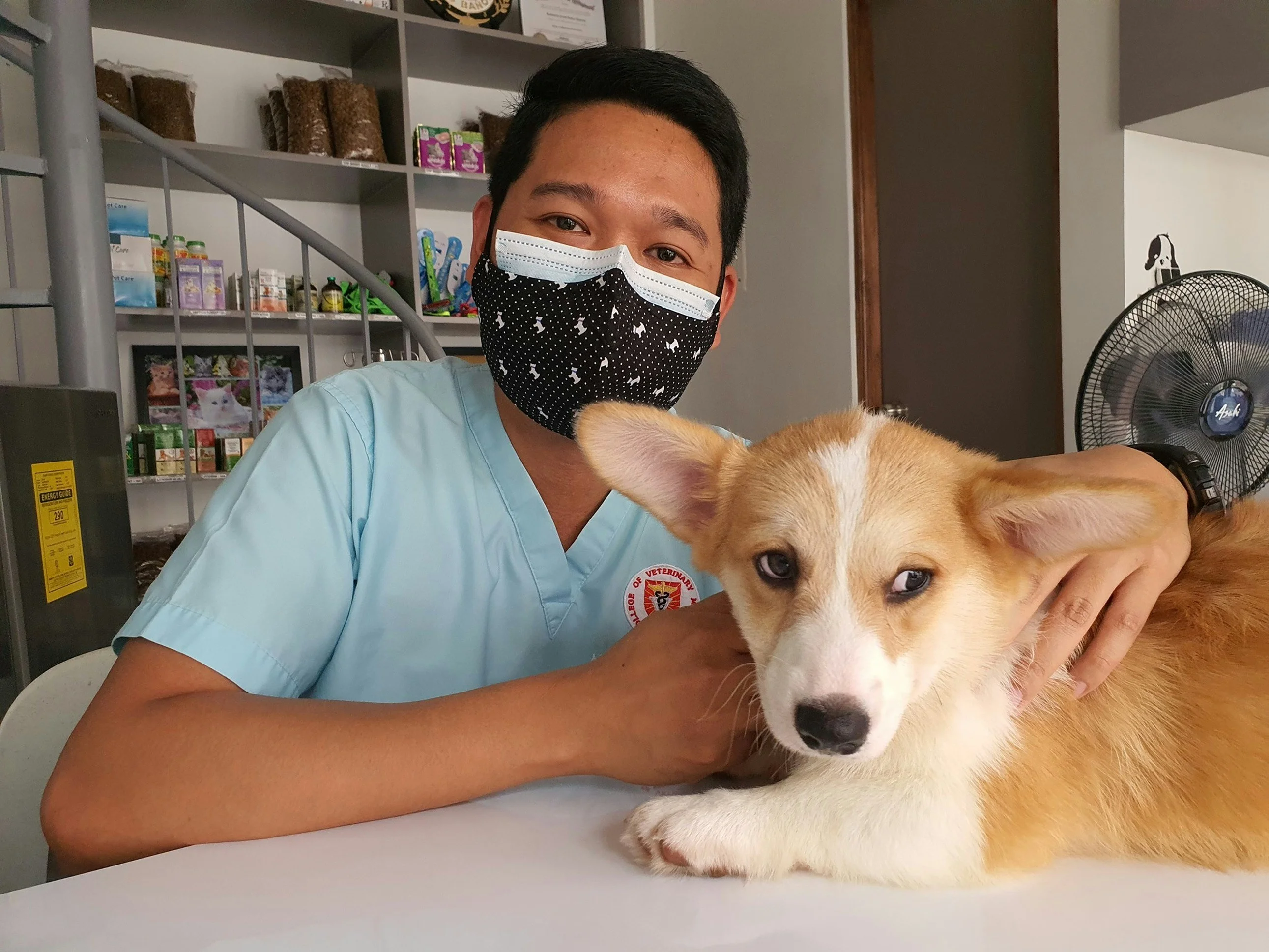
Regular Vet Care for Shiba Inus
Annual exams, allergy management, and eye checks help catch problems early
Wellness Add-Ons Worth Considering
For Shiba Inus, wellness add-ons help cover the basics. Annual exams, vaccinations, heartworm prevention, and flea and tick prevention are all routine. Because allergies are so common in the breed, a plan that covers allergy testing and immunotherapy may be particularly valuable. Some providers bundle these at a discounted rate compared to paying out of pocket.
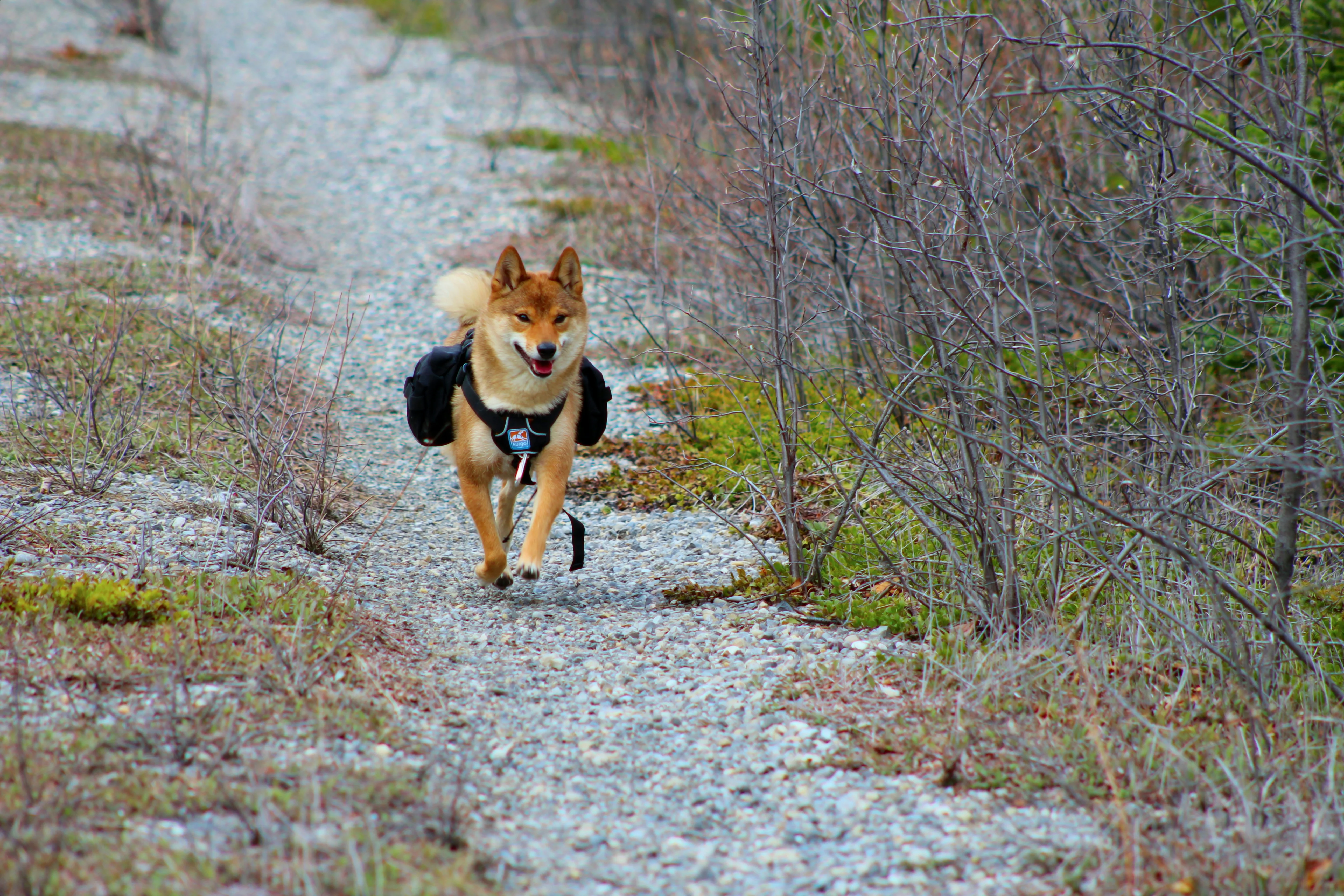
Bold, Independent Dogs With Real Health Risks
Shiba Inus were bred in Japan as hunting dogs. They have strong prey drives, sharp instincts, and an independent streak that makes them a handful for first-time owners. These dogs are not eager to please — they think for themselves, which is part of their charm. But it also means they get into trouble more than some other breeds.
Off-leash, Shibas often ignore recall commands because their hunting instincts take over. They chase squirrels, rabbits, and anything that moves fast. This is not defiance — it is just who they are. Owners need a securely fenced yard and need to keep their Shiba on-leash during walks unless in a controlled area.
Shibas also have a reputation for a distinctive vocalization — the ishibaa scream. When stressed, frustrated, or handled roughly, they let out a high-pitched scream that can be startling. This is a breed-specific behavior, not a sign of abuse. Knowing your Shiba and reading their body language helps prevent unnecessary episodes.
With other pets, Shibas can be hit or miss. They have strong prey drives, so small animals like cats and rodents may trigger chasing behavior. With early socialization, they can coexist with other dogs. But every Shiba is different. Supervision with new animals is always the safest approach.
Shibas are clean dogs — they groom themselves like cats and rarely smell bad. Their double coat sheds heavily twice a year and moderately throughout the rest of the year. Brushing helps manage the shedding. Despite their grooming habits, Shibas are not hypoallergenic — they shed plenty and produce dander.
Top Pet Insurance Providers for Shiba Inus
| Provider | Rating | Monthly Cost | Deductible | Best For | Get a quote |
|---|---|---|---|---|---|
Healthy Paws | 4.8/5 | $30 - $80 | 100, 250, 500 | Comprehensive coverage | Get quote |
Lemonade | 4.5/5 | $20 - $60 | 100, 250, 500 | Budget-conscious pet owners | Get quote |
Odie | 4.4/5 | $25 - $45 | 250, 500, 1000 | Senior pets & wellness add-ons | Get quote |
Embrace | 4.3/5 | $25 - $70 | 200, 300, 500 | Customizable coverage | Get quote |
Trupanion | 4.2/5 | $35 - $90 | 250, 500, 750 | Maximum reimbursement | Get quote |
Advertising Disclosure: CheckItAll.net is an independent comparison site. We may receive compensation when you click links or sign up with partners featured on our site. This compensation may affect how and where products appear on this site. Our opinions are our own. Read our full disclosure.
Frequently Asked Questions about Shiba Inu Pet Insurance
Is pet insurance worth it for Shiba Inus?
For most Shiba Inu owners, yes. These dogs are generally healthy, but allergies are the breed is number-one problem — Shibas scratch themselves raw and need ongoing treatment that adds up fast. Eye problems, hip dysplasia, and patellar luxation are also real possibilities. A single allergy flare-up can cost $500 to $2,000 per year, and eye surgery can run $2,000 to $3,000. If that kind of expense would hurt, insurance is worth a serious look.
How much is pet insurance for a Shiba Inu?
Shiba Inus fall in the mid-range for medium breeds. Most owners pay between $40 and $75 per month for comprehensive accident and illness coverage. Puppies are cheaper — think $30 to $50. Adult Shibas in their prime (1 to 8 years old) typically land in the $45 to $70 range. Senior Shibas cost more, and insurers may charge $80 or more per month for dogs over 10. Shibas are not the cheapest or most expensive breed to insure.
Does pet insurance cover allergies in Shiba Inus?
Yes, allergies and atopy are typically covered under comprehensive pet insurance as an illness condition. This matters for Shiba Inus more than most breeds — allergy problems are the most common health issue in the breed. Treatment includes medications, special shampoos, allergy tests, and sometimes immunotherapy. Annual costs range from $500 to $2,000 or more in severe cases. Without insurance, you pay out of pocket for every flare-up.
What does pet insurance typically cover for Shiba Inus?
Comprehensive plans cover accidents and illness, including allergies, patellar luxation, hip dysplasia, eye problems, hypothyroidism, and anal sac infections. Wellness add-ons cover annual exams, vaccinations, and preventive care. Accident-only plans cover injuries from accidents but not illness, so they would not cover allergies, hip dysplasia, or eye problems. For a breed prone to several chronic conditions, comprehensive coverage makes more sense.
Are there breed-specific exclusions for Shiba Inu insurance?
Some providers have waiting periods or exclusions for hereditary conditions common in Shibas. Hip dysplasia and eye problems may have waiting periods of 6 to 12 months with some insurers. Pre-existing conditions are almost always excluded. Review each provider is policy carefully before enrolling. Providers like Healthy Paws and Trupanion are known for covering breed-specific conditions including allergies and hip dysplasia without unusually long waiting periods for Shibas.
How much does allergy treatment cost for Shiba Inus?
For Shiba Inus, allergy treatment typically costs $500 to $2,000 per year or more. Mild cases may need only medications and special shampoos at the lower end. Severe cases with skin infections, allergy testing, and immunotherapy injections cost much more. Some Shibas need lifelong allergy management that adds up over the years. With comprehensive pet insurance, you could recover 70 to 90 percent of those costs after your deductible.
Does pet insurance cover eye problems in Shiba Inus?
Yes, eye problems are typically covered under comprehensive pet insurance as illness conditions. Shiba Inus are prone to progressive retinal atrophy (PRA), glaucoma, and cataracts. PRA eventually causes blindness and there is no cure — but management and adaptation help. Glaucoma is painful and requires surgery or ongoing treatment. Cataract surgery can cost $2,000 to $3,000 per eye. Early enrollment before any symptoms appear is the best way to ensure coverage if eye disease develops.
What is the best pet insurance for Shiba Inus?
The best pet insurance for your Shiba Inu depends on your budget and coverage needs. Healthy Paws is often recommended for Shibas because it covers allergies, has no annual payout limits, and processes claims quickly. Trupanion is another strong choice, particularly for hereditary conditions, because it offers direct vet pay and covers hip dysplasia and eye problems common in the breed. Compare providers based on your dog is age, pre-existing condition history, and your preferred deductible and reimbursement level.
Pet Insurance by Breed
Advertising Disclosure: CheckItAll.net is an independent comparison site. We may receive compensation when you click links or sign up with partners featured on our site. This compensation may affect how and where products appear on this site. Our opinions are our own. Read our full disclosure.