Pet Insurance for Corgis
Corgis have a long back and short legs — a build that puts them at real risk for spinal problems. IVDD surgery can hit $8,000. Hip dysplasia affects up to 31 percent of adult Corgis. And degenerative myelopathy, which affects roughly half of tested dogs in the breed, has no cure. Insurance helps you cover what matters without draining your savings.

Avg. Monthly Cost
$34-$63
for Corgi-sized dogs
US Popularity
Top 20
one of America's favorites
IVDD Surgery
$3,000-$8,000
#1 Corgi health risk
Why Pet Insurance Matters for Corgis
Corgis are unmistakable — that low-slung frame, big ears, and foxy face have made them one of America's most recognizable breeds. They were originally working dogs in Wales, herding cattle with speed and intelligence. That build worked well for the job. It does not always work well for their long-term health.
The same feature that makes Corgis so distinctive — a long body set close to the ground — is also what puts them at risk for spinal problems. Chondrodystrophic breeds like Corgis and Dachshunds are predisposed to premature disc degeneration. The discs in their spine start hardening early, sometimes by their first year. When a disc herniates, the resulting pain, nerve damage, and potential paralysis are both emotionally devastating and financially crushing. IVDD surgery can cost $3,000 to $8,000. Without insurance, many owners face a terrible choice between their dog and their bank account.
Hip dysplasia is the other orthopedic issue that shows up often in Corgis. An OFA-backed study of 399 Pembroke Welsh Corgis found 20 percent showing signs of dysplasia, with the rate climbing to 31 percent in adults over age 2. Some dogs need surgery on both hips, which can mean $4,500 or more in bills before you factor in physical therapy.
"That long back that makes Corgis look so distinctive is also what makes them vulnerable. Insurance means you do not have to choose between your dog and your savings."
Degenerative myelopathy is perhaps the most sobering condition in the breed. A SOD1 gene mutation causes slow paralysis that typically starts after age 8. There is no treatment, no cure. About 53 percent of tested Pembroke Welsh Corgis carry the gene (OFA data). Most dogs are euthanized within 1 to 3 years of diagnosis. The financial cost of supportive care — physical therapy, custom carts, infection management — can reach thousands. And the emotional cost is beyond any number.
Von Willebrand disease and patent ductus arteriosus are less common but real concerns. Both are congenital — meaning the dog is born with them. That makes early enrollment critical: a condition present at birth but not yet diagnosed may be treated as pre-existing by some insurers. Review policy details carefully before signing up.

Corgis are working dogs at heart — that build served them well in the fields, but it takes a toll over time
Corgi Health: What You Need to Know
Breed-specific data from OFA, Cornell, PetMD, and PubMed
Corgis are generally long-lived — 12 to 13 years is typical — but they are prone to several health conditions that owners should understand. Knowing what your Corgi faces helps you make smarter decisions about pet insurance and preventive care.
Intervertebral Disc Disease (IVDD)
$2,500-$8,000
Chondrodystrophic breed — high risk
Long back and short legs mean disc degeneration can start early. Emergency surgery runs $3,000-$8,000.
Hip Dysplasia
$1,700-$4,500 per hip
20-31% of Corgis affected (OFA/PennHIP)
A 399-Corgi PennHIP study found 20% dysplastic overall, 31% in adults over 2 years. Surgery can hit $4,500 per hip.
Degenerative Myelopathy (DM)
$0 treatment — no cure
53% tested positive (OFA data)
SOD1 gene mutation. Usually starts at 8-14 years. Most dogs are euthanized 1-3 years after diagnosis. Physical therapy can cost $500+/month.
Von Willebrand Disease (vWD)
$1,400-$1,500
Inherited bleeding disorder
Deficient clotting factor. Signs include bleeding gums, nosebleeds, and easy bruising. Transfusion may be needed.
Patent Ductus Arteriosus (PDA)
$2,500-$5,000+
Congenital heart defect
A blood vessel that fails to close after birth. Causes oxygen problems. Requires surgery.
Cataracts
$2,600-$3,800
Breed concern
Cloudy eye lenses that interfere with vision. Surgery is the only fix once they develop.
IVDD: The Top Corgi Health Risk
Intervertebral disc disease is the biggest orthopedic concern for Corgis. Their chondrodystrophic build — long spine, short legs — means the discs in their spine start degenerating earlier than in other breeds. Cornell University confirms Pembroke Welsh Corgis are among the breeds predisposed to premature disc hardening, which can lead to Type I IVDD. When a disc herniates, it presses on the spinal cord. The result is pain, weakness, and potentially paralysis. Surgery including MRI, decompression, and post-op care can run $3,000 to $8,000. Without treatment, some dogs never regain full mobility. Insurance that covers IVDD — with a short enough waiting period — can be the difference between a treated dog and a disabled one. The risk runs even higher for Dachshunds; our Dachshund IVDD coverage guide walks through the same decision in detail.
Keeping Your Corgi at a Healthy Weight
Every extra pound matters for a dog with a long spine. Obesity worsens every orthopedic condition Corgis face — it stresses the back, aggravates the hips, and increases the risk of disc herniation. Use a measuring cup for kibble, limit treats, and weigh your Corgi monthly. A Corgi that stays at its ideal weight has a better chance of avoiding or delaying IVDD and hip dysplasia. If your Corgi does gain weight and develops weight-related problems, treatment costs fall on you unless you have pet insurance that covers these conditions.
What Pet Insurance Covers for Corgis
Comprehensive Illness Coverage
A comprehensive pet insurance plan that covers both accidents and illness is the best match for Corgis. This type of plan covers:
- -IVDD diagnosis and surgery ($3,000-$8,000)
- -Hip dysplasia surgery ($1,700-$4,500 per hip)
- -Degenerative myelopathy supportive care ($500+/month)
- -Cataract surgery ($2,600-$3,800)
- -Heart conditions and PDA surgery ($2,500-$5,000+)
- -Bleeding disorder management
Breed Exclusions to Watch For
Not all pet insurance plans treat Corgis the same. Watch for these potential exclusions:
- -Pre-existing conditions — any condition present before enrollment is excluded
- -Hereditary condition waiting periods — IVDD, hip dysplasia, and DM may have 6-12 month waiting periods
- -Annual or lifetime payout limits that may not cover worst-case scenarios
- -Breed-specific condition caps or sublimits on orthopedic or spinal coverage
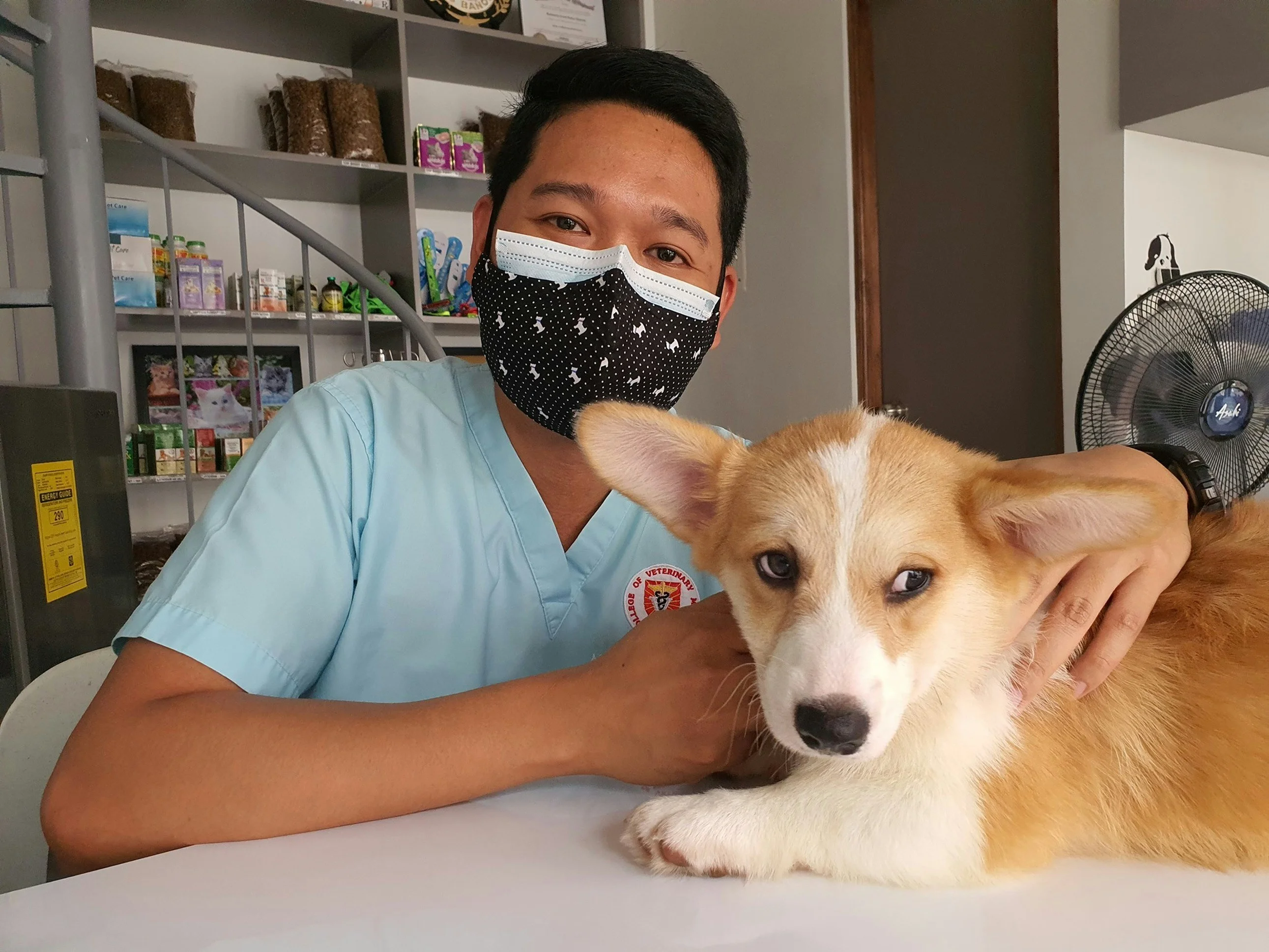
Regular Vet Care for Corgis
Twice-yearly exams, weight monitoring, and early intervention for back or joint issues help prevent costly problems
Wellness Add-Ons Worth Considering
For Corgis, wellness add-ons can help offset the cost of routine care that catches problems early. Annual exams, hip and spine evaluations, heart screenings, vaccinations, and preventive care are all routine. Because orthopedic conditions like IVDD and hip dysplasia can develop fast in this breed, early detection matters. A wellness plan that covers annual physical exams and screening X-rays is particularly valuable for Corgi owners. Some providers bundle these at a discounted rate compared to paying out of pocket.

Working Dog Instincts Need Room to Roam
Corgis were bred to herd cattle. They are fast, alert, and have more energy than their short legs might suggest. They need regular exercise and mental stimulation — a bored Corgi is a destructive Corgi. But all that activity also increases the risk of injuries that larger dogs might shrug off.
A Corgi that jumps off a couch, takes a hard fall, or gets stepped on can face the same injuries as bigger dogs — fractured bones, dislocated joints, head trauma. Emergency vet visits for these accidents can cost $1,000 to $3,000. With pet insurance, you do not have to choose between your wallet and getting your Corgi the care they need.
Keep your Corgi fit and lean. Extra weight is especially hard on their back and hips. If your Corgi does get injured or develops a condition like IVDD or hip dysplasia, treatment costs can pile up fast. Insurance that covers accidents and illness means you can afford the care your working dog needs to get back on their feet.
Top Pet Insurance Providers for Corgis
| Provider | Rating | Monthly Cost | Deductible | Best For | Get a quote |
|---|---|---|---|---|---|
Healthy Paws | 4.8/5 | $30 - $80 | 100, 250, 500 | Comprehensive coverage | Get quote |
Lemonade | 4.5/5 | $20 - $60 | 100, 250, 500 | Budget-conscious pet owners | Get quote |
Odie | 4.4/5 | $25 - $45 | 250, 500, 1000 | Senior pets & wellness add-ons | Get quote |
Embrace | 4.3/5 | $25 - $70 | 200, 300, 500 | Customizable coverage | Get quote |
Trupanion | 4.2/5 | $35 - $90 | 250, 500, 750 | Maximum reimbursement | Get quote |
Advertising Disclosure: CheckItAll.net is an independent comparison site. We may receive compensation when you click links or sign up with partners featured on our site. This compensation may affect how and where products appear on this site. Our opinions are our own. Read our full disclosure.
Frequently Asked Questions about Corgi Pet Insurance
Is pet insurance worth it for Corgis?
For most Corgi owners, yes. These dogs have a long back and short legs — a build that puts them at real risk for spinal problems. IVDD surgery can cost $3,000 to $8,000, and hip dysplasia surgery often runs $1,700 to $4,500 per hip. A dog testing positive for degenerative myelopathy — which affects roughly half of tested Corgis — will need ongoing care for years. If that kind of expense would strain your budget, insurance is worth serious consideration.
How much is pet insurance for a Corgi?
Most Corgi owners pay between $34 and $63 per month for comprehensive coverage, with an average around $48. Puppies are cheaper — think $30 to $45. Adults in their prime years typically run $35 to $55. By age 7, premiums often climb to $75 or more per month. Location, deductible, and reimbursement level all affect the final price, so it varies.
Does pet insurance cover IVDD in Corgis?
IVDD is typically covered under comprehensive pet insurance as an illness condition, as long as it is not pre-existing when you enroll. This matters for Corgis — their chondrodystrophic build means disc problems can develop earlier than in other breeds. IVDD surgery including MRI, spinal surgery, and post-op care can run $2,500 to $8,000. Early enrollment before any signs of back pain appear is the best way to ensure coverage.
What does pet insurance typically cover for Corgis?
Comprehensive plans cover accidents and illness, including IVDD, hip dysplasia, degenerative myelopathy, heart conditions, eye problems, and bleeding disorders. Wellness add-ons cover annual exams, vaccinations, and preventive care. Accident-only plans cover injuries from accidents but not illness — so they would not cover IVDD, hip dysplasia, or hereditary conditions that are common in Corgis. For a breed prone to multiple health issues, comprehensive coverage makes the most sense.
Are there breed-specific exclusions for Corgi insurance?
Some providers have waiting periods or exclusions for hereditary conditions common in Corgis. Hip dysplasia, IVDD, and degenerative myelopathy may have waiting periods of 6 to 12 months with some insurers. Pre-existing conditions are almost always excluded. Review each provider's policy carefully before enrolling. Providers like Healthy Paws are known for covering breed-specific conditions without annual payout limits.
How much does IVDD surgery cost for Corgis?
IVDD surgery for a Corgi typically runs $3,000 to $8,000 when you factor in MRI ($1,500-$3,000), the spinal surgery itself ($2,000-$5,000), and post-operative care. Without treatment, IVDD can progress to paralysis. Fetch says 1 in 10 Corgi parents incur vet costs over $7,944 for disc disease. With comprehensive pet insurance, you could recover 70 to 90 percent of that cost after your deductible.
Does pet insurance cover degenerative myelopathy in Corgis?
Degenerative myelopathy itself has no treatment — there is no cure. But the related care adds up. Physical therapy and supplements can cost $500 or more per month, and secondary issues require ongoing treatment. Healthy Paws and some other providers cover physical therapy as part of their rehabilitation benefit. DM is typically covered under comprehensive plans if it is not pre-existing and the dog enrolled before showing symptoms.
What is the best pet insurance for Corgis?
The best pet insurance for your Corgi depends on your budget and coverage needs. Healthy Paws is often recommended for Corgis because it covers breed-specific conditions, has no annual payout limits, and processes claims quickly — important for a breed prone to IVDD and hip dysplasia. Trupanion is another strong choice, particularly for hereditary conditions, because it offers direct vet pay and covers congenital issues common in Corgis. Compare providers based on your dog's age, pre-existing condition history, and your preferred deductible and reimbursement level.
Pet Insurance by Breed
Advertising Disclosure: CheckItAll.net is an independent comparison site. We may receive compensation when you click links or sign up with partners featured on our site. This compensation may affect how and where products appear on this site. Our opinions are our own. Read our full disclosure.